

Winnipeg, the capital of Manitoba, sits in south-central Canada at the confluence of the Red and Assiniboine rivers, not far from the U.S. border. It grew from early fur-trade posts and a river settlement into a city incorporated in 1873. Today it is one of Canada’s major cultural and economic centers, with a diverse population and a strong reputation for arts, history, and public institutions.
That makes Winnipeg an especially interesting place to explore through its museums. From Indigenous history and prairie settlement to modern art, science, and local heritage, museums in Winnipeg reflect both its past and its identity as a lively, multicultural urban center on the Canadian Prairies.
Here are some favorites:
- Canadian Museum for Human Rights
- Royal Canadian Mint
- Royal Aviation Museum of Western Canada
- The Manitoba Museum
- Le Musée de Saint-Boniface Museum
- Dalnavert Museum & Visitors’ Centre
- Seven Oaks House Museum
- Winnipeg Art Gallery – Qaumajuq
- Ross House Museum
- Manitoba Electrical Museum & Education Centre
- Manitoba Children’s Museum
- Fire Fighters Museum of Winnipeg
- Living Prairie Museum
- Lower Fort Garry National Historic Site
- Historical Museum of St. James-Assiniboia
Canadian Museum for Human Rights
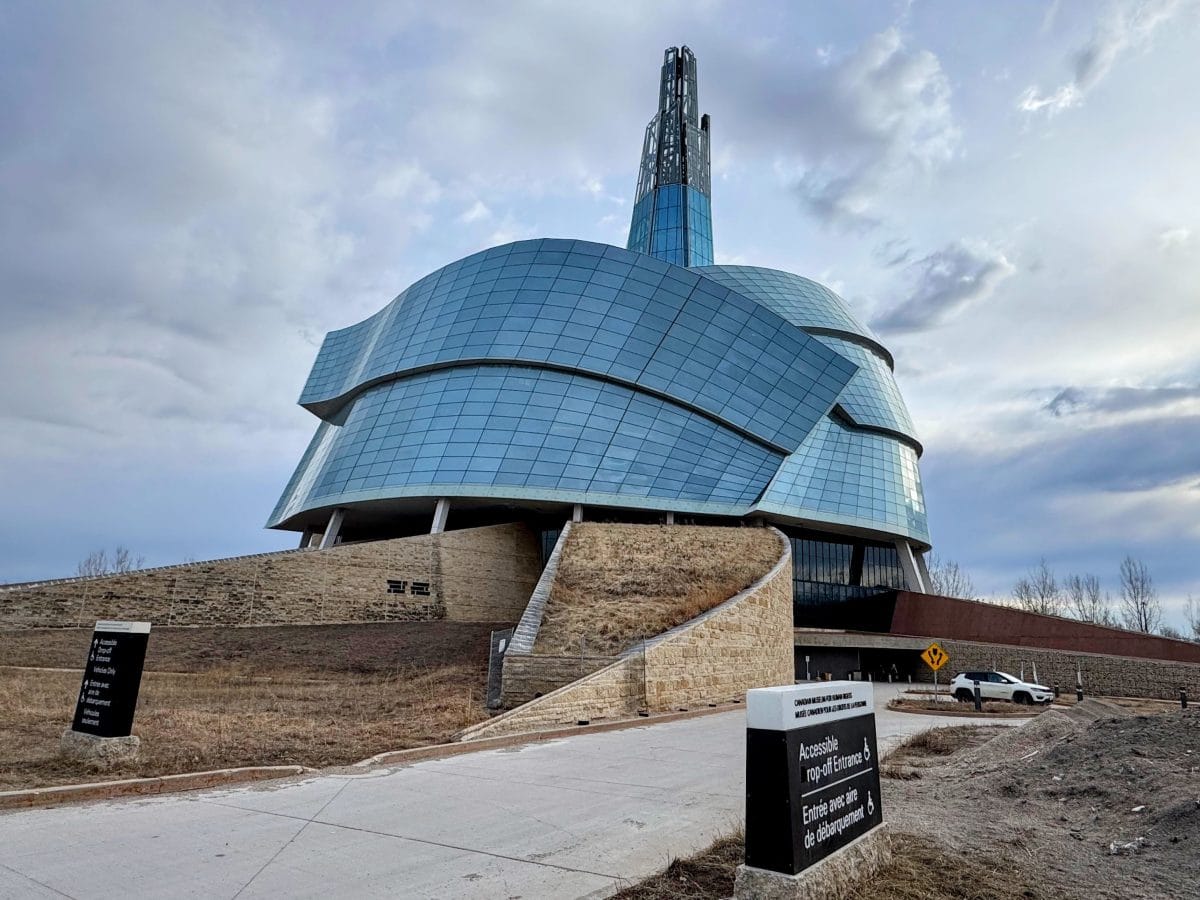
Located beside The Forks, the Canadian Museum for Human Rights is Canada’s first national museum dedicated entirely to human rights. Exhibits explore Indigenous rights, immigration, discrimination, genocide, activism, and civil liberties through multimedia presentations, film, oral histories, and interactive displays.
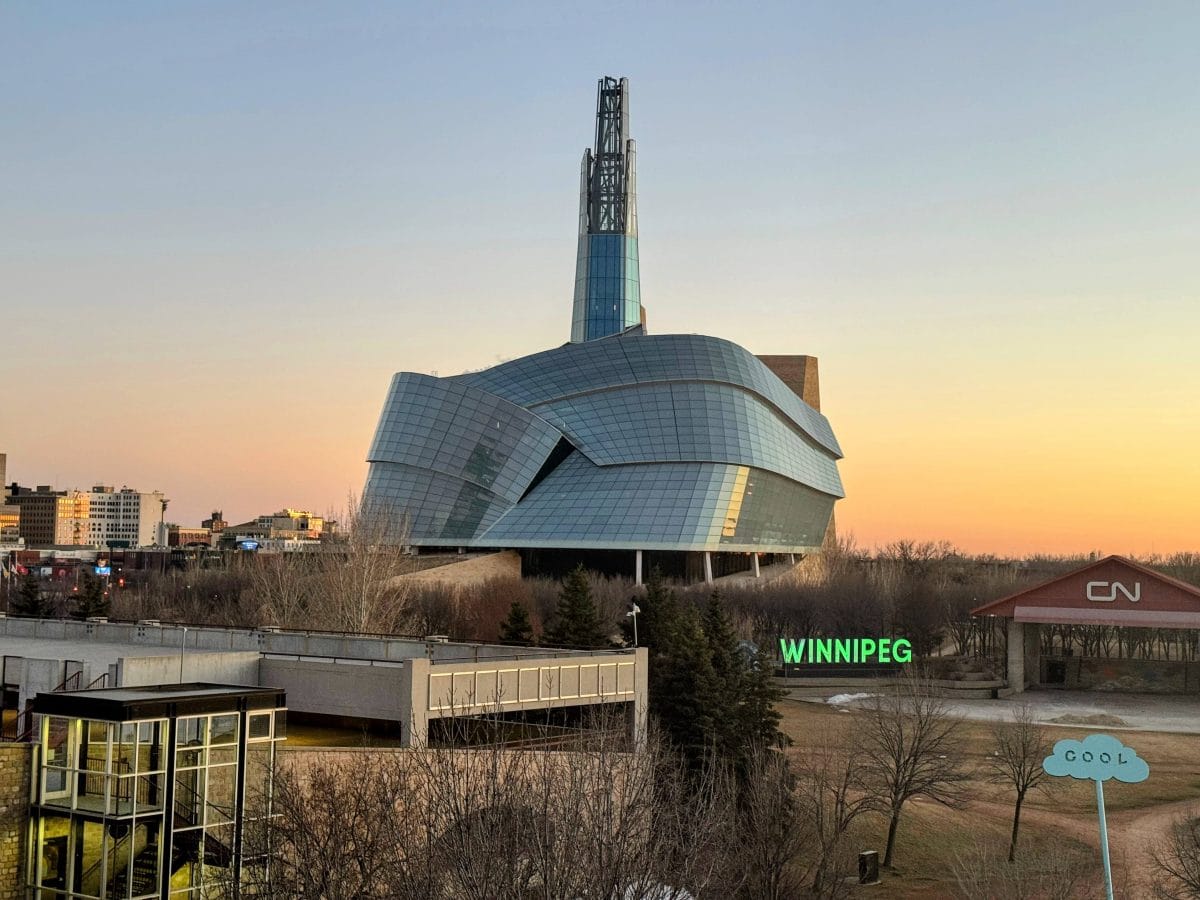
Built on Treaty 1 territory, the land covered by the first of Canada’s numbered treaties, signed in 1871 between the Crown and several Anishinaabe and Cree nations. The museum is also known for its modern architecture by Antoine Predock, featured on the backside of the $10 banknote, and notable for its alabaster walkways, large ramps, and the glass Tower of Hope overlooking Winnipeg.
Most exhibits are text-heavy and designed for older children and adults rather than young kids. Plan for at least two to three hours and expect a fair amount of walking and standing throughout the museum.
Top Highlights:
- Tower of Hope – Panoramic city views from the museum’s glass observation tower.
- Human Rights Galleries – Multimedia exhibits focused on global and Canadian rights movements.
- Architectural Design – One of Canada’s most distinctive modern museum buildings.
Location: 85 Israel Asper Way | Official Website
Royal Canadian Mint
The Royal Canadian Mint offers guided tours through one of the world’s most advanced coin production facilities.
Unlike a traditional museum, the experience focuses on watching an active manufacturing operation where circulation coins are produced for Canada and dozens of other countries. Visitors learn about minting technology, coin design, and security features while viewing the production floor from enclosed walkways.
The tour is structured and timed, so advance booking is recommended during busy seasons. Even visitors without a strong interest in coins often find the machinery and scale of production surprisingly interesting. Tours typically last about 45 minutes to one hour.
Top Highlights:
- Coin Production Viewing Area – Watch millions of coins being manufactured.
- Gold Bar Display – Opportunity to lift a real gold bar.
- International Currency Exhibits – Learn about coins produced for countries around the world.
Location: 520 Lagimodiere Blvd | Official Website
Royal Aviation Museum of Western Canada
Near Winnipeg Richardson International Airport, the Royal Aviation Museum of Western Canada explores prairie aviation history, bush flying, military aviation, and northern transportation.
The museum’s modern facility displays historic aircraft alongside interactive exhibits that explain how aviation shaped remote communities across Western and Northern Canada. Bush planes, cargo aircraft, and military trainers help tell the story of flying in difficult weather and isolated terrain.
Flight simulators and hands-on displays make it especially appealing for families.
Top Highlights:
- Historic Aircraft Collection – Vintage civilian and military aircraft from across Western Canada.
- Bush Flying Exhibits – Stories of aviation in remote northern communities.
- Interactive Flight Experiences – Simulators and hands-on aviation displays.
Location: 2088 Wellington Ave | Official Website
The Manitoba Museum
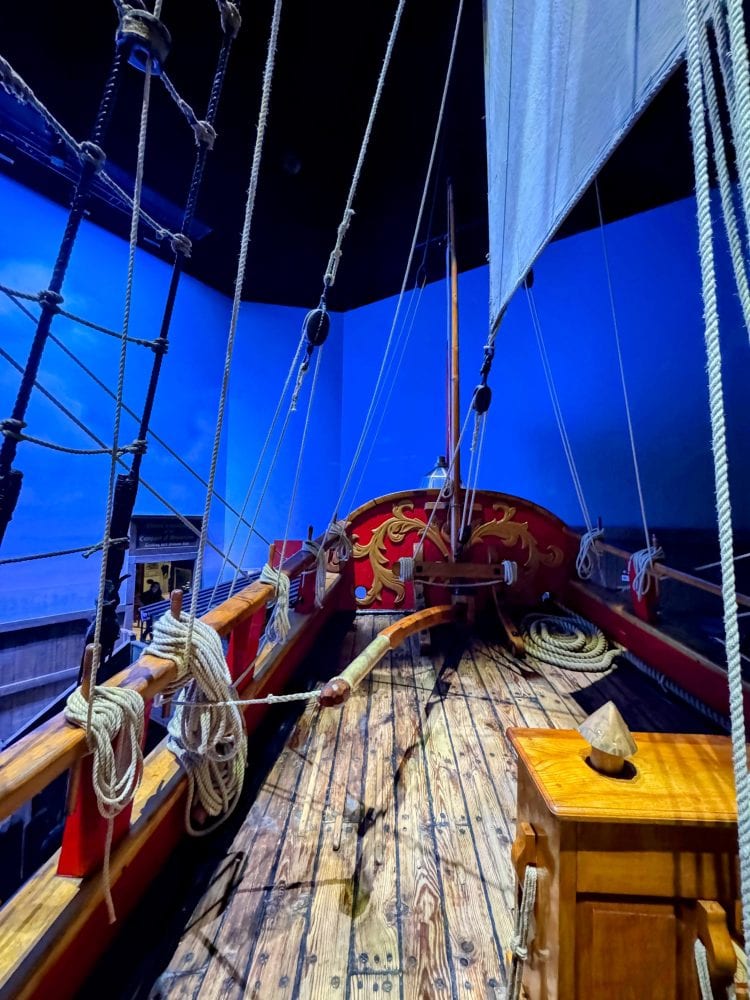
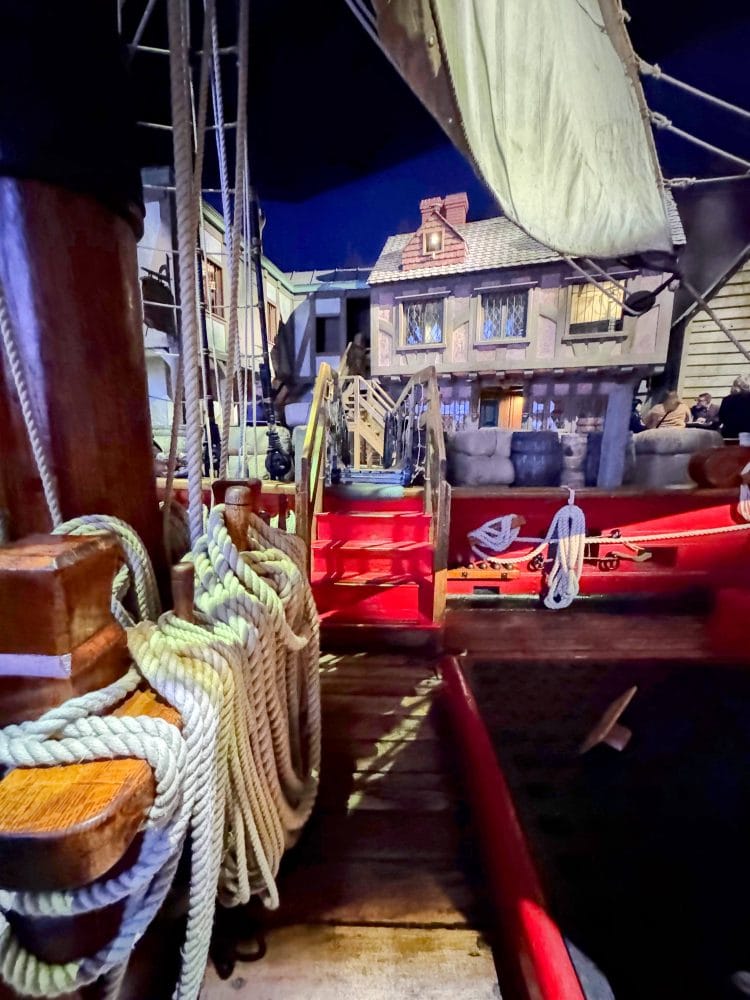
Located downtown near City Hall, The Manitoba Museum is the province’s largest museum dedicated to Manitoba’s human and natural history. The museum combines history, science, and astronomy in one complex, making it a good option for first-time visitors wanting a broad introduction to the region.
Exhibits cover Indigenous history, fur trade expansion, prairie settlement, Arctic ecosystems, and urban development through immersive galleries and recreated environments. The complex also includes a Planetarium and hands-on Science Gallery, making it especially popular with families.
Most exhibits are self-guided and easy to follow, but visitors should expect a fair amount of walking. Plan for at least several hours, especially if visiting all three sections.
Top Highlights:
- Nonsuch Ship Replica – A recreation of the 17th-century vessel tied to the Hudson’s Bay Company.
- Prairie and Arctic Galleries – Natural history exhibits featuring regional wildlife and landscapes.
- Planetarium – Astronomy presentations and immersive sky shows.
Location: 190 Rupert Ave | Official Website
Le Musée de Saint-Boniface Museum
Set inside the former Grey Nuns convent built in 1846, Le Musée de Saint-Boniface Museum preserves Francophone and Métis history in Manitoba. The building itself is the oldest surviving structure in Winnipeg and remains one of the city’s most important historic landmarks.
Exhibits focus on French-speaking communities, Métis culture, Catholic missions, and the life of Louis Riel, whose grave is located nearby. (Riel was a Métis leader who fought to protect his people’s land, culture, and rights, becoming a central – and still debated – figure in the founding of Manitoba and Canadian history.)
The museum is smaller than some of Winnipeg’s major attractions, but it provides useful context for understanding Manitoba’s early settlement history and the development of Saint-Boniface as Winnipeg’s French quarter.
Top Highlights:
- Historic Grey Nuns Convent – Winnipeg’s oldest surviving building.
- Métis and Francophone Exhibits – Stories of Manitoba’s French-speaking communities.
- Louis Riel Connections – Interpretation related to the Métis leader and founder of Manitoba.
Location: 494 Tache Ave | Official Website
Dalnavert Museum & Visitors’ Centre
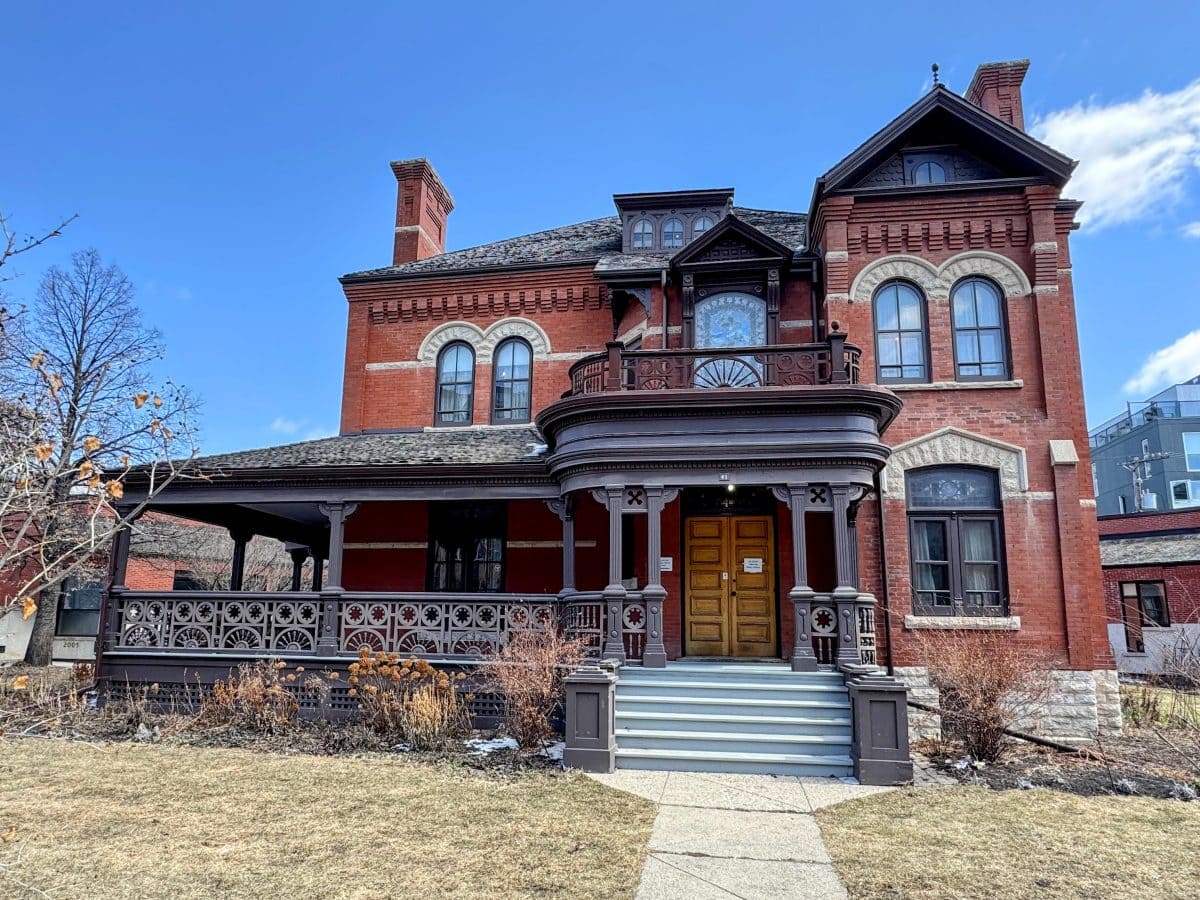
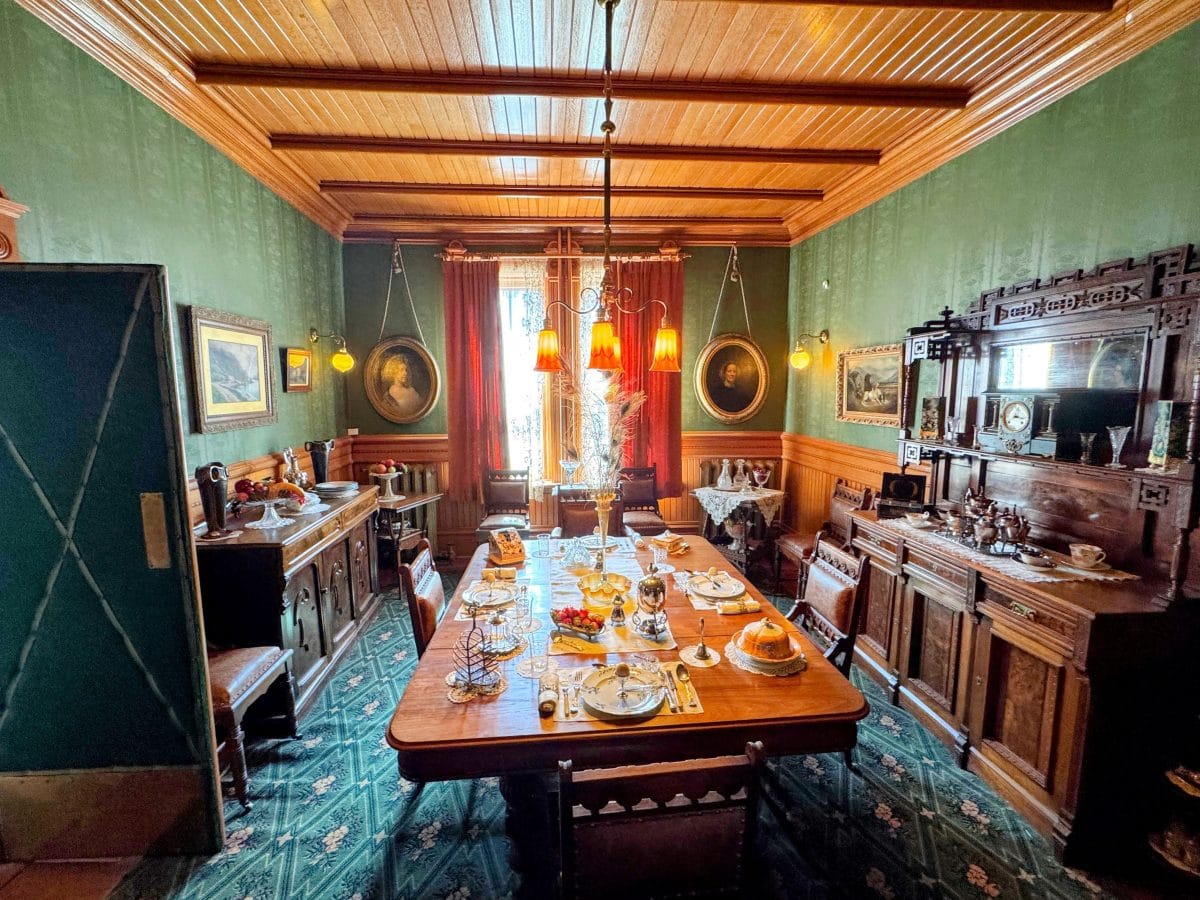
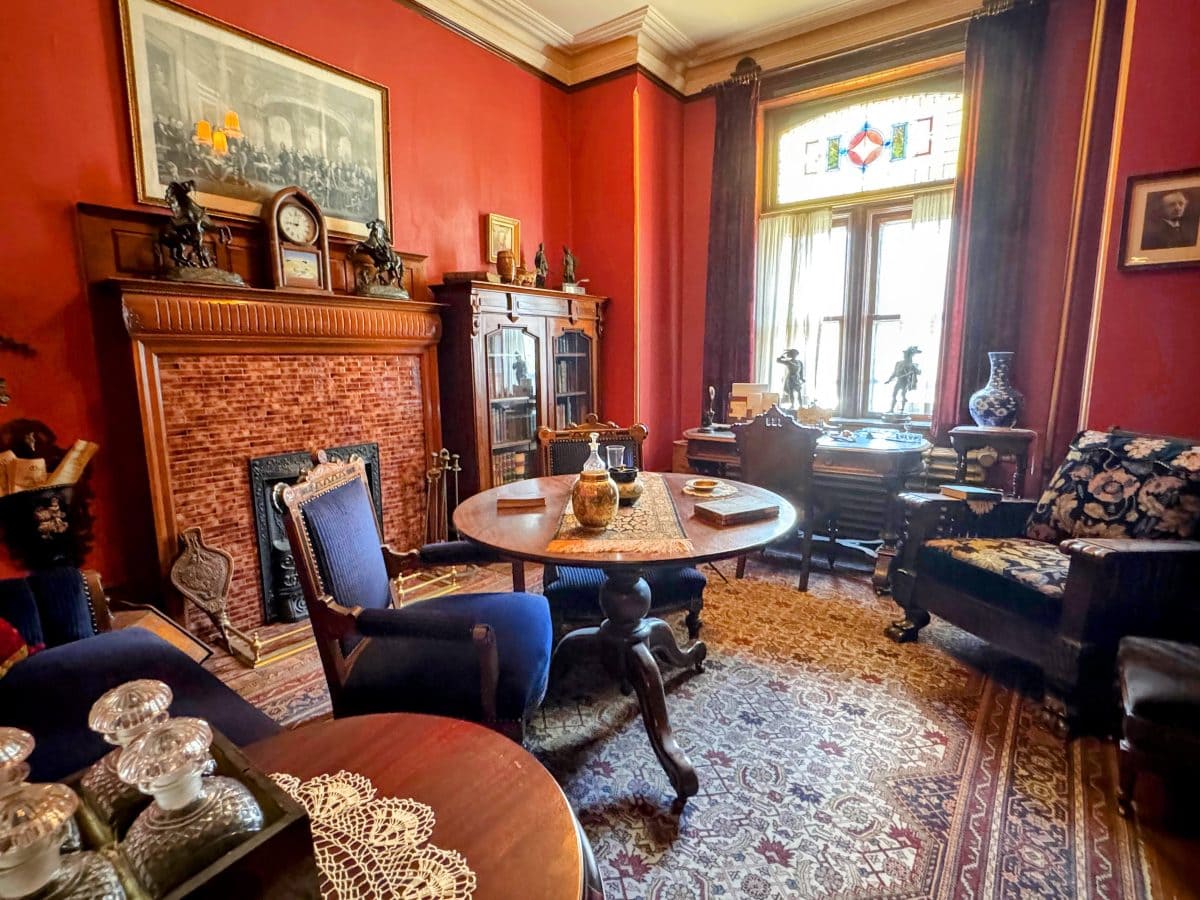
Dalnavert Museum preserves one of Winnipeg’s best examples of late Victorian architecture and upper-class life during the city’s railway boom years. Built in 1895 for Sir Hugh John Macdonald, son of Canada’s first prime minister, the mansion contains restored interiors, original decorative details, and period furnishings.
Guided tours explain both the Macdonald family and Winnipeg’s rapid growth in the late 19th century. Compared with larger museums, Dalnavert feels quieter and more personal, making it a good choice for visitors interested in architecture and social history.
Guided tours are typically required, so checking schedules in advance is recommended.
Top Highlights:
- Victorian-Era Interiors – Carefully restored period rooms and furnishings.
- Guided Historical Tours – Stories about Winnipeg’s growth and elite families.
- Heritage Architecture – Detailed woodwork, stained glass, and preserved design elements.
Location: 61 Carlton St | Official Website
Seven Oaks House Museum
Built in 1851, Seven Oaks House Museum is the oldest surviving home in Winnipeg and an important site connected to the Red River Settlement period. The restored house offers a look at daily life during the fur trade era through period furnishings, household artifacts, and exhibits focused on the Ross family and early settlement history in Manitoba.
The museum grounds also include gardens and outdoor spaces that help preserve the historic setting. Seven Oaks House operates seasonally from Victoria Day weekend through Labor Day.
Top Highlights:
- Winnipeg’s Oldest Home – A preserved Red River frame house from 1851.
- Fur Trade Era History – Exhibits tied to settlement and daily frontier life.
- Historic Grounds – Gardens and heritage programming during warmer months.
Location: 50 Mac St | Official Website
Winnipeg Art Gallery – Qaumajuq
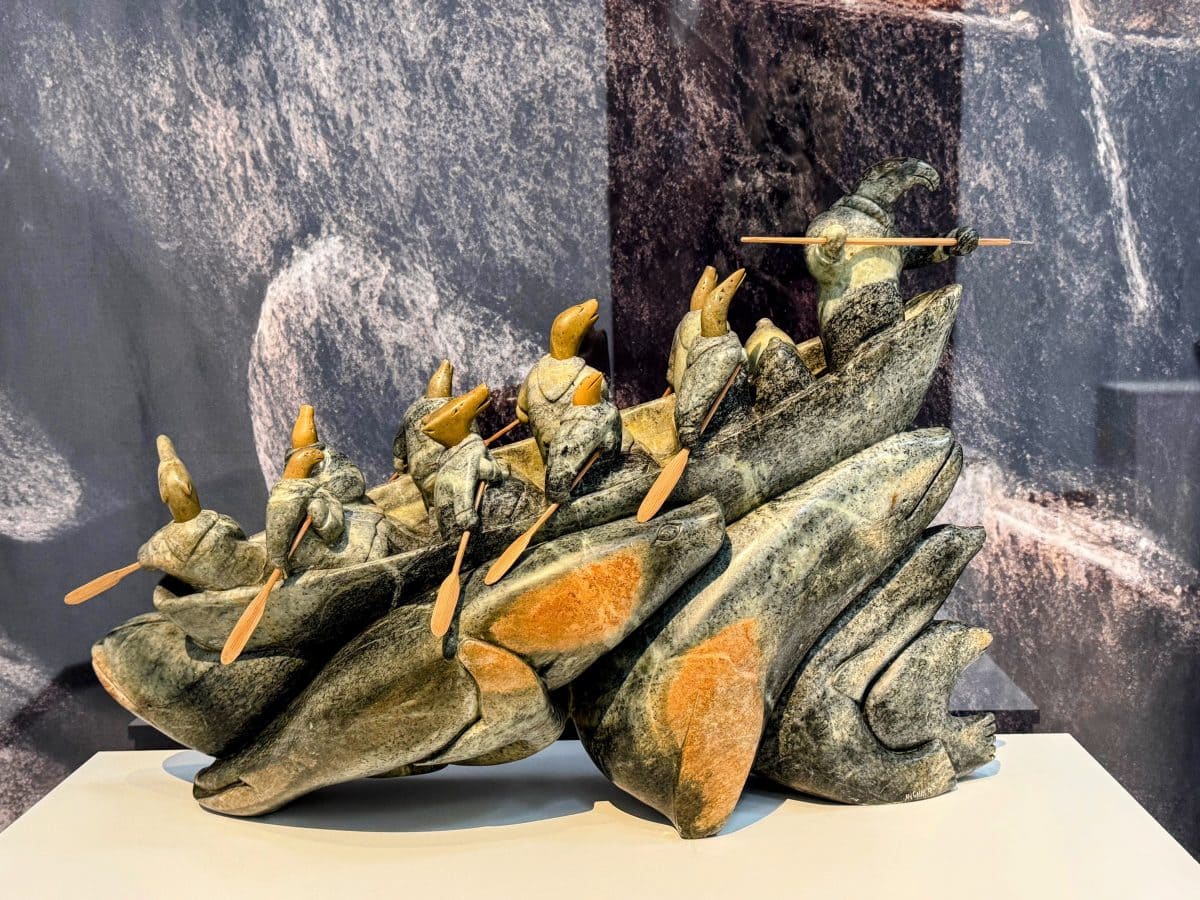
Located downtown, the Winnipeg Art Gallery–Qaumajuq is one of Canada’s leading art museums and home to the world’s largest public collection of Inuit art. Founded in 1912, it’s Canada’s oldest civic art gallery and features more than 25,000 works spanning Indigenous, Canadian, and contemporary international art.
The newer Qaumajuq wing focuses on Inuit art and includes a three-story visible vault displaying thousands of carvings normally kept in storage. Exhibits are mostly self-guided and easy to explore at your own pace, with a mix of traditional galleries, multimedia displays, and temporary exhibitions.
Visitors interested in Indigenous art should allow extra time, as the collection is extensive. Plan for roughly two hours or longer depending on special exhibits running during your visit.
Top Highlights:
- Inuit Art Vault – Thousands of visible stone carvings displayed in open storage.
- Contemporary Canadian Art – Rotating exhibitions featuring modern artists.
- Indigenous-Focused Programming – Exhibits and events centered on Inuit and Indigenous culture.
Location: 300 Memorial Blvd | Official Website
Ross House Museum
Located near Point Douglas, Ross House Museum recreates life in early Red River Settlement Winnipeg and is recognized as Western Canada’s first post office. The restored log home focuses on frontier life in the 1800s through exhibits on trade, communication, and domestic living.
Costumed interpreters and demonstrations are sometimes offered during the operating season, adding more context to the small but detailed museum. Like Seven Oaks House, Ross House Museum operates seasonally from Victoria Day weekend through Labor Day.
Top Highlights:
- First Post Office in Western Canada – Historic postal and settlement history.
- Red River Settlement Interpretation – Everyday frontier stories and artifacts.
- Restored Log House – Compact but authentic historic structure.
Location: 140 Meade St N | Official Website
Manitoba Electrical Museum & Education Centre
This lesser-known museum focuses on the history of electricity generation and hydro development in Manitoba. Exhibits trace the evolution of electrical technology from early appliances and meters to hydroelectric infrastructure that powers the province today.
Interactive displays and restored equipment help make technical subjects more approachable, especially for families or visitors interested in engineering history.
Top Highlights:
- Historic Electrical Equipment – Vintage appliances, transformers, and meters.
- Hydroelectric Exhibits – Manitoba’s hydro power development story.
- Interactive Science Displays – Hands-on educational exhibits.
Location: 680 Harrow St | Official Website
Manitoba Children’s Museum
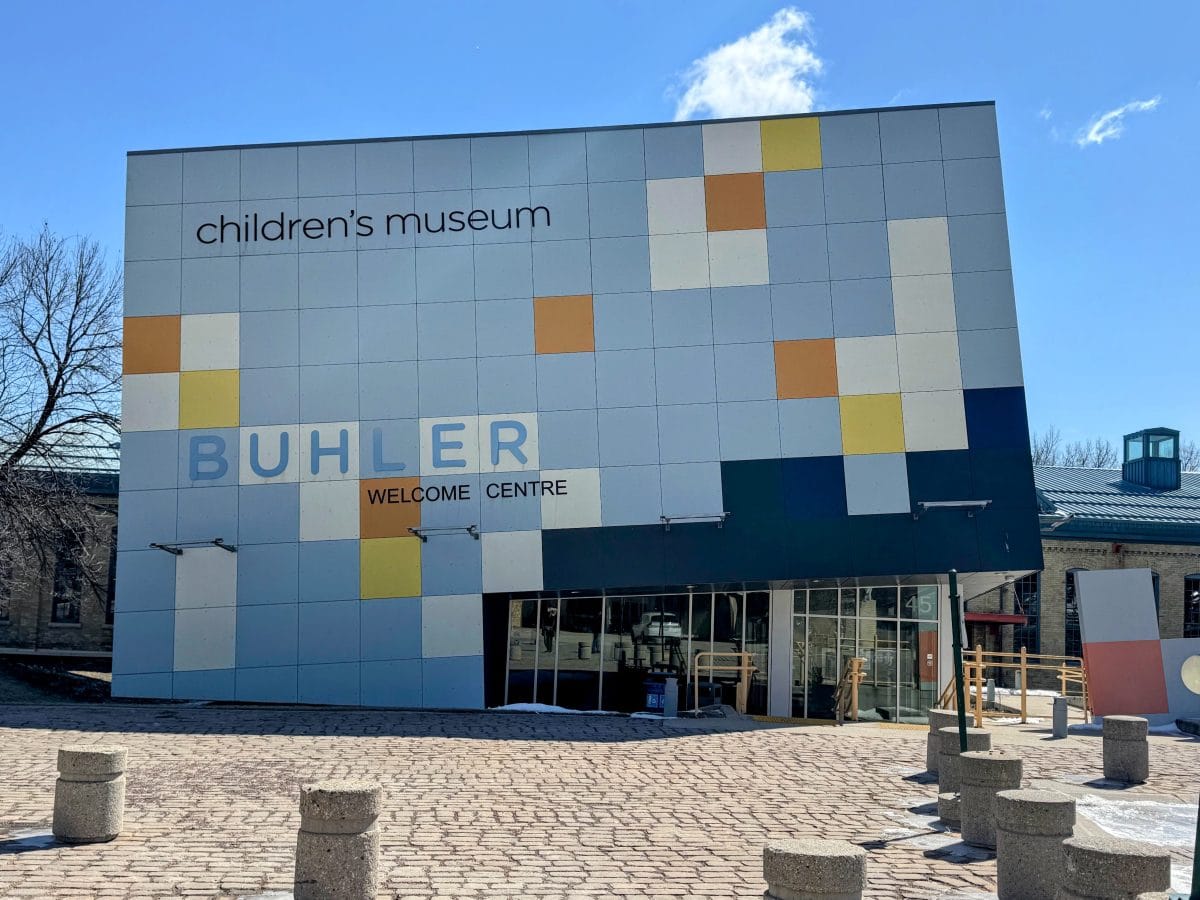
Inside a restored railway repair facility at The Forks, the Manitoba Children’s Museum focuses on imaginative play and activity-based learning. Children can explore miniature cityscapes, trains, climbing structures, and science-themed stations designed for younger age groups.
The museum is best suited for children under about age 10, though the historic building itself also adds interest for adults accompanying them. Because it is indoors and centrally located, it is also a practical option during Winnipeg’s colder months or rainy days.
Top Highlights:
- Interactive Play Galleries – Hands-on exhibits focused on creativity and exploration.
- Historic Railway Building – Museum housed in a former rail repair facility.
- Family-Friendly Activities – Rotating educational programming and events.
Location: 45 Forks Market Rd | Official Website
Fire Fighters Museum of Winnipeg
Located in a historic fire hall, the Fire Fighters Museum of Winnipeg preserves the city’s firefighting history through vintage fire engines, uniforms, alarms, and rescue equipment.
The collection spans more than a century of firefighting technology and includes beautifully restored apparatus that appeal to both children and transportation enthusiasts.
Top Highlights:
- Vintage Fire Trucks – Historic engines and emergency vehicles.
- Historic Fire Hall Setting – Museum inside a preserved station building.
- Firefighting Memorabilia – Equipment, uniforms, and communication systems.
Location: 56 Maple St | Official Website
Living Prairie Museum
The Living Prairie Museum is less of a traditional museum and more of a preserved fragment of tallgrass prairie ecosystem within the city. Interpretive exhibits inside the small visitor center explain prairie ecology, Indigenous land use, and conservation efforts.
Outside, walking trails pass through native grasses and wildflowers that once covered much of Manitoba.
The museum is especially enjoyable during summer bloom season.
Top Highlights:
- Tallgrass Prairie Preserve – One of the last remaining prairie fragments in Winnipeg.
- Nature Trails – Walking paths through native grasses and flowers.
- Ecology Exhibits – Information on prairie conservation and biodiversity.
Location: 2795 Ness Ave | Official Website
Lower Fort Garry National Historic Site
Located just north of Winnipeg near Selkirk, Lower Fort Garry is the farthest destination on this list but still reachable within a reasonable drive from downtown. The original stone fur trade fort dates to the 1830s and is one of the best-preserved Hudson’s Bay Company sites in North America.
Visitors can explore restored buildings, defensive walls, workshops, and living history demonstrations that recreate life during the fur trade era. Because the site functions as both a museum and historic village, visitors get a fuller picture of fur trade life than a standard gallery exhibit alone.
Top Highlights:
- Original Stone Fur Trade Fort – Preserved Hudson’s Bay Company buildings.
- Living History Demonstrations – Costumed interpreters and traditional crafts.
- Treaty and Settlement History – Important site tied to Western Canadian history.
Location: 5925 Highway 9, St. Andrews | Official Website
Historical Museum of St. James-Assiniboia
This smaller community museum focuses on the history of Winnipeg’s western suburbs and includes the historic Red River Frame House built in 1856. Exhibits explore settlement patterns, agriculture, transportation, and local community development.
The museum grounds also feature additional heritage structures and seasonal programming.
Top Highlights:
- Red River Frame House – One of Manitoba’s oldest surviving homes.
- Local Community History – Exhibits on settlement and suburban development.
- Heritage Buildings – Historic structures preserved on museum grounds.
Location: 3180 Portage Ave | Official Website