
Floating in the Tyrrhenian Sea off Italy’s western coast, Elba is the largest island in the Tuscan Archipelago and famously the place of Napoleon’s first exile. The island is more than a historical footnote: it’s a place where you appreciate the salt on your skin, the sun on your shoulders, and the wine in your glass at the end of a long day.
Travelers come for beaches, hiking trails, and postcard‑perfect harbor towns, and wine lovers quickly discover something rarer: an island wine culture that feels personal, grounded, and closely tied to its landscape. The bottles here carry the imprint of Mediterranean light, coastal breezes, and rocky soils.
There’s plenty of things to do on Elba. You can hike Monte Capanne for sweeping views across the archipelago, wander the historic Volterraio Fortress, or visit Napoleon’s Villa dei Mulini above the sea. In summer, life settles into a rhythm of beach days and long swims in clear water. Threaded through it all is a quietly confident wine tradition, often discovered not in grand cellars but at family‑run estates and simple tables.
A Brief History of Elba Wine
Wine on Elba is part of a long Mediterranean story rather than a recent trend. For generations, vines have been cultivated on the island’s slopes, shaped by maritime winds and rugged terrain.
Until the second half of the 20th century, hillside and terraced vineyards were a common sight, demanding intense manual labor. As tourism grew and Elba developed as a holiday destination, some agricultural land shifted to other uses, and many of the steepest sites were no longer maintained. Today, Elba has a relatively small vineyard area compared to mainland Tuscany, and only part of that falls under the local DOC (Denominazione di Origine Controllata).
What remains is a compact but characterful wine scene: small‑scale producers, deep local knowledge, and grapes that reflect the island’s particular mix of sun, altitude, and sea influence.
The Grapes That Define Elba
Ask wine‑savvy travelers about Elba, and one white grape often comes up first: Ansonica. On the island, it typically gives dry wines with citrus and orchard fruit, sometimes a gentle nuttiness, and a savory edge that works beautifully with seafood.
Other white grapes you’ll encounter include:
- Trebbiano, often used as a backbone for blended whites.
- Vermentino, bringing freshness, citrus, and herbal notes.
- Moscato, especially for aromatic or sweet styles.
- International varieties like Chardonnay (and sometimes others), interpreted through the island’s bright acidity and coastal character.
On the red side, Sangiovese – Tuscany’s hallmark grape – plays a leading role in Elba’s reds and rosés. It is frequently blended with other varieties such as Merlot or Syrah, which can add softness, color, and spice. Aleatico, an aromatic red variety, is behind some of Elba’s most distinctive sweet wines, notably the renowned Aleatico dell’Elba.
Local DOC rules set minimum proportions for key grapes and aging requirements for certain categories (for example, higher Sangiovese content in Elba Rosso and longer aging for Riserva bottlings), but individual producers interpret these frameworks in their own way. Exact percentages and aging times can vary according to the official disciplinare and producer choices, so it’s best to read the label or ask at the estate if you want the technical details.
Rosato (rosé) wines on Elba are often made from the same red varieties – particularly Sangiovese – vinified to emphasize freshness and brightness, making them ideal slightly chilled on a warm afternoon.
Wineries Worth Your Time on Elba
Elba’s wineries tend to be small and personal, with visits that feel more like stepping into someone’s life’s work rather than attending a large‑scale tasting.
Montefabbrello
Near Portoferraio, Montefabbrello combines vineyards and olive groves and focuses on environmentally conscious farming. The range typically includes Ansonica‑based whites, reds built around Sangiovese and other varieties, rosé, and sweet wines. Labels and cuvée names can change over time, but the estate’s identity is closely tied to expressing local grapes and the surrounding landscape. We brought a few of red home with us.
Tenuta La Chiusa
A historic walled estate by the sea, La Chiusa cultivates vines and olives within a setting that feels both agricultural and maritime. The portfolio spans fresh whites (often featuring Vermentino and Ansonica), sparkling wines, structured reds based largely on Sangiovese and blending partners, and sweet Aleatico. Extra‑virgin olive oil is also part of the picture, rounding out the classic Tuscan mix of wine and oil from the same land.
Cecilia Winery
Cecilia (Azienda Cecilia) is a well‑known Elban estate farming multiple vineyard sites on the island. The production focuses on a range of whites and reds that may include varieties such as Vermentino, Chardonnay, Sangiovese, and Syrah, alongside Aleatico in both still and sweet versions. Over the decades, the estate has grown into a reference point for visitors wanting to explore Elba’s diversity in one producer’s lineup; specific bottle counts, blends, and special releases can vary from year to year.
Because portfolios evolve, think of these descriptions as snapshots rather than exhaustive catalogs. When you visit, you’re likely to find new cuvées or updated blends alongside long‑standing favorites.
How to Experience Elba’s Wine Scene
You can taste wine across the island, from seaside estates to hilltop agriturismi, with the busiest period typically in the warmer months when days are long. Most producers appreciate advance booking, especially for guided tastings, vineyard walks, or estate meals, since these are small operations rather than high‑throughput tasting rooms.
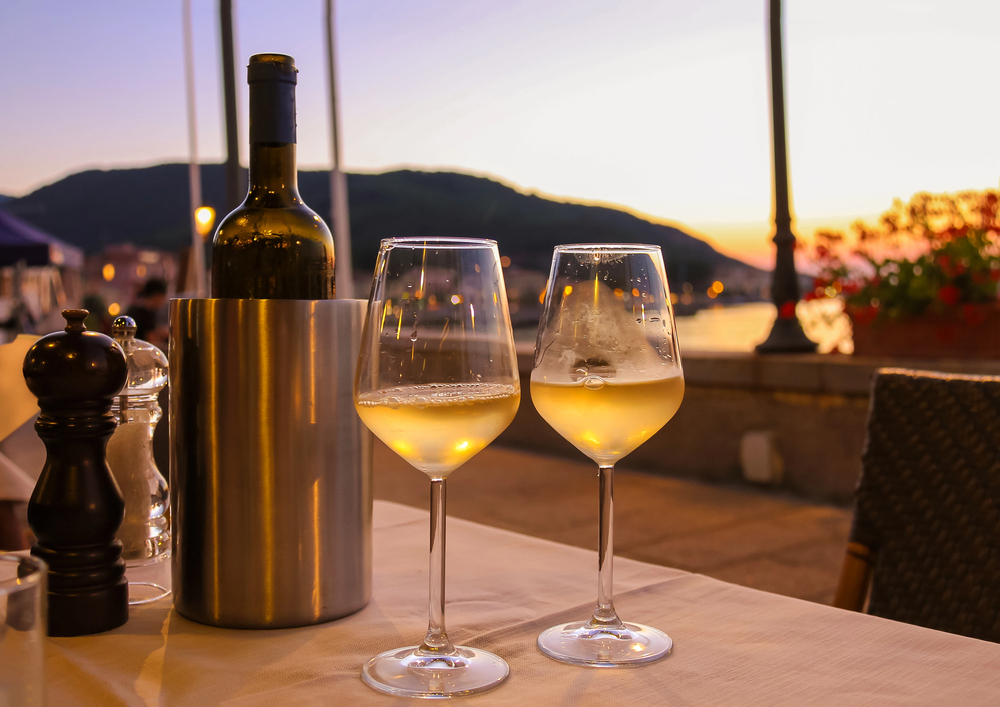
Beyond straightforward tastings, you might find:
- Estate restaurants or agriturismi pairing wines with local seafood, vegetables, and island specialties.
- Architecturally interesting cellars and barrel rooms at some larger estates, where design and landscape meet.
- Guided bike or e‑bike tours that link several wineries with scenic stretches of coastline and countryside.
Self‑service “help‑yourself” concepts have appeared in various Italian wine regions, but names and formats can be region‑specific, so always check current local recommendations rather than assuming a famous concept from another area is present on Elba.
Getting There — and Why You Should Go
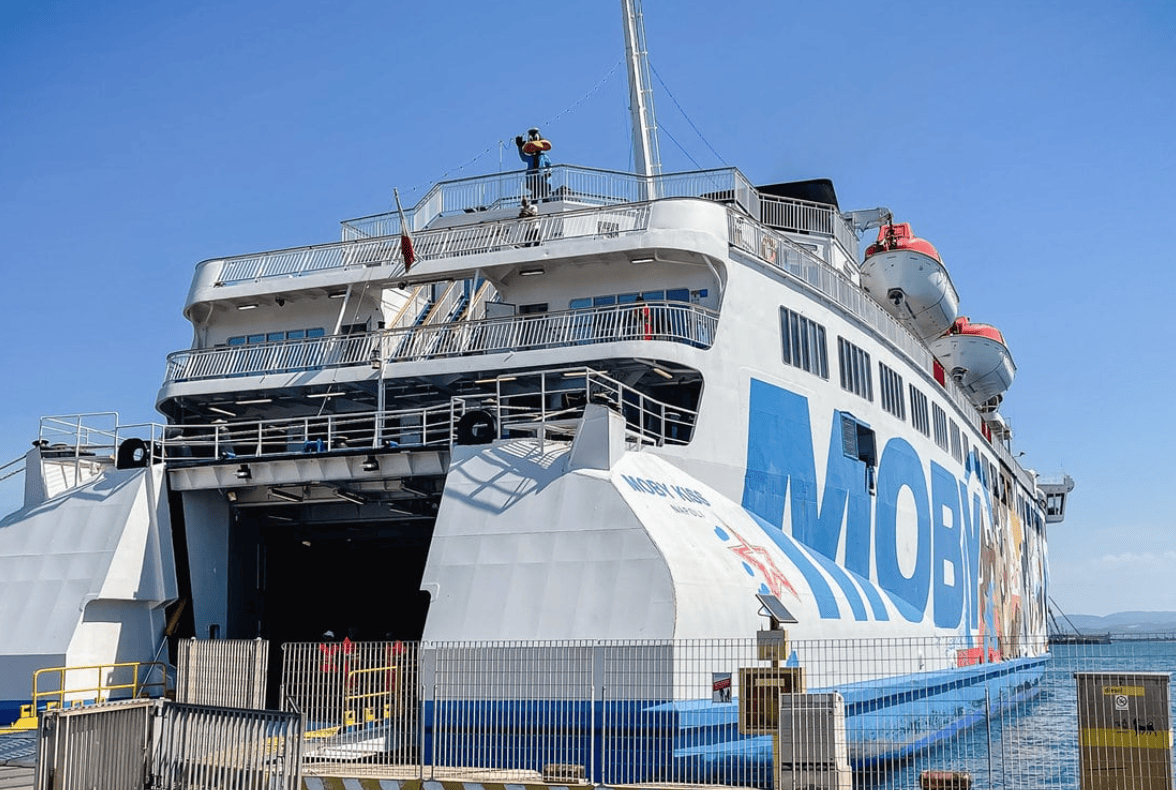
Reaching Elba is straightforward. Ferries run regularly from Piombino in Tuscany to ports such as Portoferraio, Rio Marina, and Cavo, and the island also has a small airport with seasonal flights from selected European cities. The ferry ride itself eases you into island time, with open water, shifting light, and the coastline receding behind you.
While regions like Piedmont and mainland Tuscany dominate wine conversations and Europe luxury tours, Elba operates in a quieter register. The island sits in the shadow of giants like Piedmont and mainland Tuscany, and that’s part of its appeal. You’re more likely to taste wines in relaxed settings with the people who made them than in crowded, high‑profile tasting rooms.
If you plan trips around vineyards – or simply want the glass in your hand to reflect the place you’re standing – Elba rewards curiosity: Ansonica at sunset, Aleatico after dinner, and the sense that the island’s wines still reflect a very specific corner of sea, rock, and sky. Congratulations, you’ve found a corner of Italy that still knows exactly who it is.
Save to your favorite Pinterest boards