

Sangria is one of those drinks that travelers associate with Spain before they even arrive, and with good reason: when it’s done well, it captures the relaxed, convivial spirit of a long Spanish lunch or a warm evening on a terraza.
Yet it’s also a drink that’s often misunderstood, oversweetened, or marketed to tourists in ways that don’t always reflect how locals actually drink it.
Read on to learn more about discovering Sangria in Spain
A Brief History of Sangria
The roots of sangria stretch back 2,000 years to the days when the Romans occupied the Iberian Peninsula. They planted vineyards throughout the region, and because water was often unsafe to drink, people mixed wine with water, herbs, and spices to help disinfect the water and make it more palatable to consume. These early wine punches are widely considered the ancestors of sangria.
During the Middle Ages, similar drinks evolved, now with the addition of sugar, honey, imported fruits, and spices, creating wine-based drinks that blurred the line between medicine and refreshment. One such drink, called hippocras, was popular across Europe and likely influenced both mulled wine and what we now recognize as sangria.
The Moors, who ruled much of the Iberian Peninsula from 711 to 1492, brought sophisticated irrigation and agricultural techniques, including the introduction and wider cultivation of citrus fruits such as lemons and oranges. While Islamic law restricted wine consumption, the agricultural legacy they left, especially citrus, would later become central to the flavor profile of sangria.
The name “sangria” itself comes from the Spanish word sangre, meaning blood, an allusion to the deep red color of the classic version made with red wine. The drink predates the term, but the word “sangria” began to be commonly used in the 18th century and gradually came to describe a fruity wine punch associated with Spain and Portugal. Today, the European Union reserves the term “sangria” on labels for versions produced in Spain and Portugal, recognizing its Iberian roots.
What Makes Sangria “Spanish”?
At its heart, traditional Spanish sangria is a simple formula: wine, fruit, a spirit or liqueur, something sweet, and time for everything to blend.
Most classic recipes start with a dry red wine, to which oranges and lemons are added, along with sugar and perhaps a splash of brandy or rum. The fruit is left to macerate for several hours so the flavors blend before the mixture is topped up with soda water or another sparkling mixer.
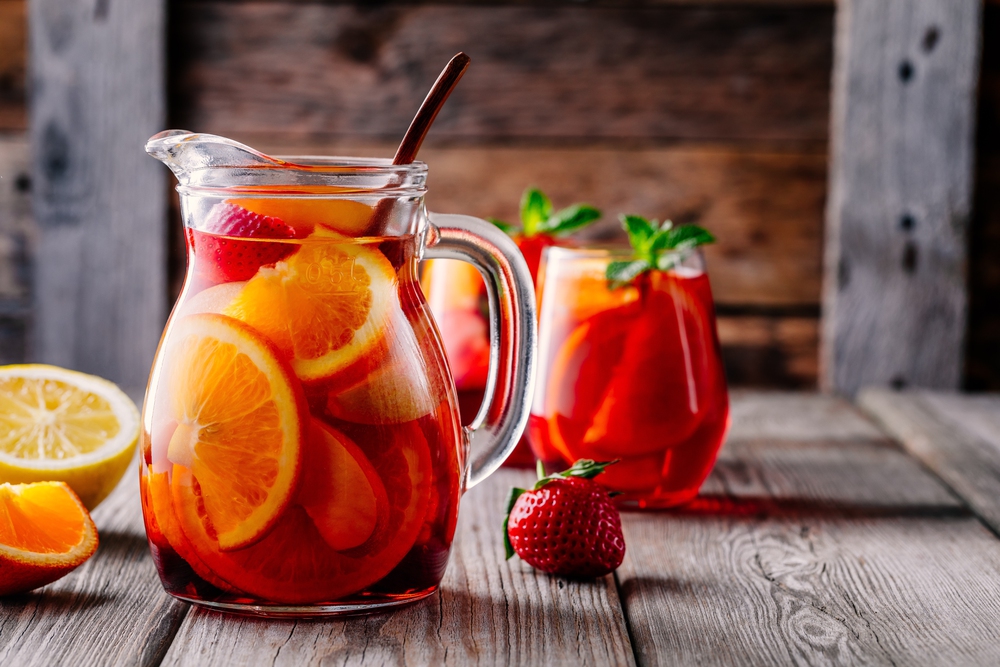
You’ll find variations all over Spain. In some regions, apples and pears join the mix; elsewhere, peaches, nectarines, or stone fruits are common, especially in summer. Many households and bars have their own house recipe, sometimes guarded as closely as a family paella recipe.
What unites these versions is a communal spirit: sangria is meant to be shared from a pitcher at the center of the table, not sipped solemnly from a single glass. I think of that every time I’m the only one at the restaurant table ordering a glass.
Sangria also has a strong seasonal and social identity in Spain. It’s closely associated with summer and outdoor gatherings, much like an aperol spritz in Italy. Sangria in integrated into fiestas and informal celebrations, along with large family meals, village festivals, and barbecues. A chilled pitcher of sangria is a natural part of the table setting.
That said, many Spaniards are just as likely – or more likely – to order other refreshing wine-based drinks. Tinto de verano (red wine with lemon soda) or kalimotxo (red wine with cola), are popular for everyday drinking, with sangria something of a special occasion drink. Or, brought out when their are guests (tourists).
Types of Sangria You’ll Find in Spain
When you think of sangria, you probably picture a deep ruby-red pitcher brimming with fruit. That classic red version is only the beginning. Over time, a range of styles has emerged, some traditional favorites and some modern that are starting to catch on.
Red Sangria (Sangría Roja)
This is the typical sangria, made with red wine and typically flavored with oranges, lemons, perhaps a bit of apple, plus sugar and a splash of brandy or rum. The wine is usually a straightforward, dry Spanish red, maybe a young Tempranillo or Garnacha, rather than anything aged or complex. It’s mixed, chilled, and served over ice, often topped with soda water to keep it light and refreshing.
Red sangria is what you’ll most often see on bar menus, particularly in tourist hubs and coastal destinations. It pairs well with tapas – including some of my favorites, patatas bravas, chorizo, tortilla espanola – and with grilled meats or paella.
White Sangria (Sangría Blanca)
White sangria swaps the red wine for white, resulting in a lighter, often more floral or citrusy drink. Common wine choices include young, crisp Spanish whites such as Verdejo or Airen. Fruits tend toward peaches, nectarines, apples, pears, and berries, with citrus still a major component.
In hotter months, white sangria can feel particularly refreshing, and it pairs nicely with seafood tapas, grilled fish, and lighter summer dishes. You’ll see it more frequently in beach towns and at venues that focus on modern or contemporary Spanish cuisine.
Sparkling Sangria (Cava or Espumosa)
Sparkling sangria uses cava, Spain’s iconic sparkling wine, in place of still wine. The base might be a mix of cava, fresh fruit, and a touch of liqueur, resulting in a bubbly, festive drink that works well for celebrations or aperitivo.
In some recipes, cava is added just before serving to maintain the bubbles, while the fruit has been macerated separately in wine or juice.
You may find cava-based sangrias at upscale bars, rooftop terraces, or restaurants that feature creative mixology. They’re especially popular for brunches, celebrations, and holiday gatherings.
Rose Sangria
Rose sangria is a more recent addition to menus, and is often associated with beach clubs and trendy urban bars.
Using rose wine as the base allows for a very summery creation. Think strawberries, raspberries, cherries, and citrus, sometimes with a touch of herbal or floral liqueur. It’s visually appealing and typically lighter than the traditional red version.
Non-Alcoholic Sangria
With the rising trend of low- and non-alcohol beverages, mocktail sangria has become a regular feature on many menus.
In Spain, you might not see it labeled explicitly as sangria, but you’ll likely find a fruit punch made with similar juices, soda, and fresh fruit. In private homes, it’s often found at family events and children’s parties. Upscale bars, wanting to reach guests who don’t drink alcohol, will likely have given it a creative name.
Bottled Sangria
In supermarkets and some bars, you’ll also find bottled sangria and ready-to-serve brands. These range from very simple, inexpensive options to higher-quality artisanal versions that emphasize natural ingredients and traditional methods. Modern brands and designers have turned sangria into an easily recognizable product with stylish packaging, making it convenient for picnics, beach days, or apartment stays where you don’t want to mix a batch from scratch.
The bottled products that I’ve tried don’t seem to meet my taste preferences. To me, they don’t seem fresh and appealing, but given the prevalence of all sorts of bottled alcoholic beverages, I seem to have a minority opinion.
How to Enjoy Sangria in Spain
One of the pleasures of traveling in Spain is discovering how differently sangria is made and presented from place to place. The experience of drinking it at a seaside chiringuito in Andalusia isn’t quite the same as sipping a glass on a rooftop bar in Madrid or in a small town in Castilla.
All are delicious, though!
Typical Places to Order Sangria
You’re most likely to find sangria in these settings:
- Tourist-oriented tapas bars and restaurants: In cities like Barcelona, Madrid, Seville, and Valencia, any menu printed in multiple languages is almost guaranteed to list sangria by the glass or by the pitcher. These can be enjoyable, but quality varies widely.
- Beach bars (chiringuitos): Along the Mediterranean and Atlantic coasts, many beach bars offer chilled sangria, white sangria, or cava-based versions, often in large pitchers for sharing.
- Rooftop terraces and hotel bars: Higher-end venues may serve a more refined take on sangria, perhaps cava sangria with carefully selected fruit or a creative twist from an in-house mixologist.
- Festivals and local celebrations: At some local fiestas, you may find homemade sangria or similar wine punches served in plastic cups to accompany music, dancing, and street food.
In more traditional bars, especially those frequented primarily by locals, you might notice that tinto de verano is featured more prominently than sangria. It’s often the everyday refresher of choice: red wine with lemon-lime soda, simple and less elaborate than sangria but playing a similar role.
Practical Tips for Sipping Sangria in Spain
A few suggestions can help you enjoy sangria in Spain without falling into the tourist trap versions:
- Order by the pitcher for groups: Sangria is meant to be shared. If you’re with friends, a pitcher (jarra) is usually better value and feels more in keeping with the spirit of the drink.
- Check what’s in it: Don’t hesitate to ask what the bar uses as a base. A place that mixes it fresh with wine and fruit is usually more rewarding than somewhere that simply pours from a pre-made jug all day.
- Be mindful of sweetness: Some venues make very sweet sangria, more like fruit punch than wine. If you prefer it less sweet, ask about what options are available.
- Pace yourself: Sangria is deceptive; the fruit and sweetness can mask the alcohol. Even if it tastes light, a few glasses can add up, especially in the sun.
- Try local alternatives: For comparison, taste tinto de verano or kalimotxo (red wine and cola, served over ice, with a squeeze of citrus) at least once. They occupy a similar niche – casual, refreshing, and inexpensive – and offer insight into what locals often drink instead of the more elaborate, tourist-facing sangria.
If you’re renting an apartment or staying somewhere with a small kitchen, buying wine, fruit, and perhaps some cava at a supermarket and making your own simple batch can be a fun travel ritual, especially if you’re traveling with family or friends. I’ve provide a recipe below
Sangria’s Journey Beyond Spain
For centuries, sangria and related wine punches were largely regional, enjoyed in Spain and neighboring Portugal without much global fanfare. That changed dramatically in the twentieth century, particularly after one pivotal event in the 1960s: the 1964 World’s Fair in New York.
A Breakout Moment in New York
Spain featured sangria at its pavilion during the 1964 New York World’s Fair, serving it to visitors alongside other Spanish specialties. It was a surprise hit, and many Americans encountered the drink for the first time there. Sangria’s fruity, festive character quickly became associated with an idealized image of Spanish hospitality and sunshine.
After the fair, Spanish restaurants and tapas bars in the United States began offering sangria as a signature drink, often adapting it to local tastes and ingredients. That meant sweeter versions, larger pitchers, and sometimes creative additions far removed from traditional recipes. Over time, sangria became so popular that it appeared on menus in restaurants serving cuisines far beyond Spanish food.
The Iberian Connection
Within the Iberian Peninsula, Portugal also has a strong sangria tradition, using local wines and sometimes adding ingredients like cinnamon or different fruits. The EU’s decision to reserve the official “sangria” label for products from Spain and Portugal reflects this shared heritage.
Beyond Iberia, related drinks developed in places with historical ties to Spain. In Argentina, Paraguay, Uruguay, and other parts of Latin America, drinks like clericó combine wine with chopped fruit and sugar, are clearly inspired by Spanish wine punches, but adapted to local fruits and customs.
In Brazil, wine-and-fruit drinks are popular at beach gatherings and festive events, often using Brazilian wines and tropical fruits.
Another historical relative is sangaree, a punch that appears in Caribbean and early British-American contexts, often based on fortified wines like Madeira or port, mixed with sugar, citrus, and sometimes rum. While not identical to modern sangria, it reflects how wine punches spread and evolved through colonial trade routes and cultural exchange.
Global Recognition
Today, you can find sangria, or drinks marketed under that name, on nearly every continent. Restaurants and bars serve it as a summer special, a brunch staple, or a house cocktail, often with local twists – Thai basil and tropical fruit in Southeast Asia, berries and stone fruit in North America, or even winter spiced versions in cooler climates.
The craft beverage movement has also left its mark. Small-batch producers and artisanal brands now bottle sangria with an emphasis on quality wine, natural fruit, and minimal additives, positioning it closer to a bottled cocktail than a simple party punch. In parallel, bartenders and mixologists have begun treating sangria as a canvas for creativity, infusing spirits, using unusual herbs, or building multi-layered flavor profiles that bear little resemblance to the humble wine-and-water blend that started it all.
Non-alcoholic versions have spread as well, often featuring sparkling water, teas, or alcohol-free wines as a base, allowing more people to participate in the ritual of sharing a colorful, fruit-filled pitcher. The common thread remains – relaxation, conviviality, and gathering with friends.
Bringing the Experience Home
For travelers, enjoying sangria in Spain is as much about the context as the recipe: the clink of glasses on a sunlit terrace, a plate of olives or jamón nearby, the background hum of conversation in Spanish. While it’s impossible to pack all of that into a suitcase, you can recreate some of the atmosphere at home.
What Food Goes With Sangria?
Whether you opt for a Spanish-inspired menu, or your personal favorites, here are some food choices that pair with sangria.
- Spicy Foods – The cuisine of Spain and Portugal can be very spicy at times. Fruity sangria can be the perfect cooling complement to a hot and spicy dish.
- Charcuterie – Sangria pairs well with all sorts of cured meat, particularly those from Spain. Try serving it with thick slices of serrano ham or chunks of Spanish-style dry chorizo on toothpicks, or pairing it with prosciutto or dry salami. This is probably my favorite way to enjoy sangria at home, and easy to keep on hand.
- Grilled Chicken – The sweetness of sangria complements the smoky notes that a backyard grill imparts to just about any food, but especially chicken. Chicken also plays well with sweet and tangy sauces, from sticky teriyaki and fruit glazes to a classic barbecue sauce, both complemented by sangria.
- Carne Asada – Mexican food makes a good match with sangria. Red wine and beef are a classic pairing, abnd sangria pairs well with carne asada on its own, in tacos, even on a salad. I’ve yet to perfect a carne asada recipe, but I’m working on it (and a pitcher of sangria will help).
- Fruit – There is a reason that there are actual bits of fruit floating around in pitchers of sangria. The fruit is there to accentuate the fruity flavor that is inherent in the wine itself. Eating pieces of fruit will bring out the fruitiness of the beverage.
- Desserts – Because of its fruity nature, sangria can be the perfect beverage for the end of a meal. A chocolate-based dessert, like flan or cake, would be a nice would well.
Tips for Making Sangria at Home
Keep it simple!
Planning a little in advance will let you enjoy time with friends and family, rather than spending time playing bartender. I serve Sangria in a pitcher and a set of glasses that I brought home from Mexico. You can find a close facsimile of it here.
- Choose a Spanish wine if possible, but don’t use anything too precious. Sangria is meant to be relaxed and unfussy. Save that high end cabernet sauvignon for another time.
- Pay attention to seasonal fruit where you live. Sangria has always been adaptable, so include what’s local to you. I always include citrus (usually oranges), then add in apples or pears, and round it off with whatever berries are in season. Raspberries are my favorite.
- Allow time for the fruit and wine to blend in the fridge, then add the sparkling element just before serving. Alternatively, you can add the sparkling as a top-off for each glass.
Most importantly, sangria isn’t about strict rules or impressing anyone with wine knowledge. It’s about creating a welcoming, sociable moment—whether that’s in a crowded Madrid bar, a seaside bar, or your own backyard.
White Sangria Recipe
This is my variation on a white sangria recipe, perfect for warm weather sipping.
White Wine Sangria
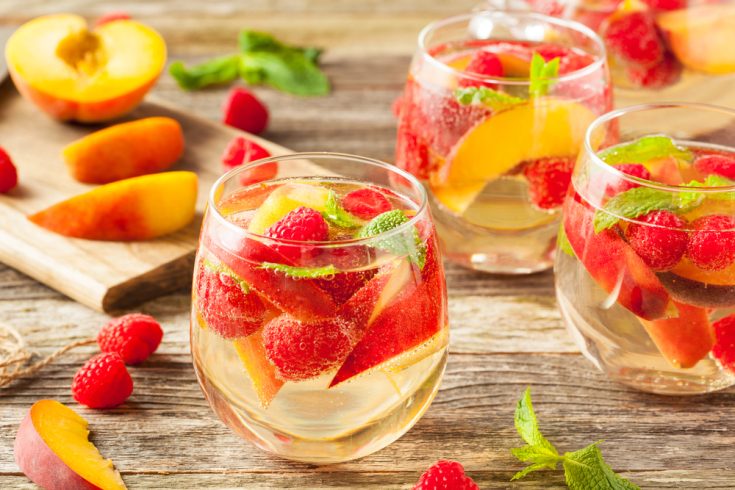
Delightfully refreshing, this white sangria recipe will become a staple for summer entertaining.
Ingredients
- 1 bottle of white wine (I like using Albarino, but sauvignon blanc is also a good choice)
- 1/4 cup (about 2 oz) of orange liqueur (I usually use Grand Mariner, but Triple Sec and Cointreau work equally well)
- Simple syrup (about 1/8 cup or 1 ounce)
- 1/2 cup (4 oz) orange juice (fresh is always best, if available)
- 1 orange, sliced
- 1 necatrine or peach (your preference), in bite sized cubes
- 1 lemon or lime (your preference, I usually choose lime), sliced
- 1/2 cup of fresh berries
- Mint springs
- Ice
Instructions
- Combine all liquid ingredients in a large pitcher, and mix well.
- Add in fruit, and gently stir.
- Cover and chill until you are ready to serve.
- Just before serving, add in mint and berries.
- Serve over ice. Garnish with additional mint, if desired.
Notes
Experiment with fruits and the amount of simple syrup used to find your perfect combinations.
Add a splash of soda water or sparkling white wine to top off each serving, for a more festive approach.