
We are unapologetically cruise lovers. Big ships, small ships, and ships in between. Oceans, rivers, lakes, and canals. We enjoy them all for different reasons, different occasions, and different experiences. We believe there’s a cruise that’s right for most every kind of traveler. It’s just a matter of considering your interests and preferences and matching them up with a cruise line and cruise itinerary that meets those preferences.
Knowing where to start, and the questions to ask may seem overwhelming. That’s why we continue to write about different types of cruising, different ships, different cruise lines, and different itineraries. And we go indepth, all in one story, so you don’t have to hop around looking for everything. You’ll find what you need to know right here – cabins, food and beverage, cruise pricing (which is highly variable), itineraries, what we did, any mistakes we made, and all of our recommendations. Our goal is to help you make an informed cruise choice, and to enjoy cruising as much as we do.
Let’s take a look!
Note: I traveled with media colleagues on the sailing. We received a complimentary sailing as media cover the ship and itinerary.
Sailing in Costa Rica
Costa Rica has long been associated with rainforests, wildlife, and a strong commitment to conservation. Most travelers experience the country on land, staying in lodges and hotels and heading out on day trips to national parks and wildlife areas.
Cruising Costa Rica’s Pacific coast offers a different perspective.
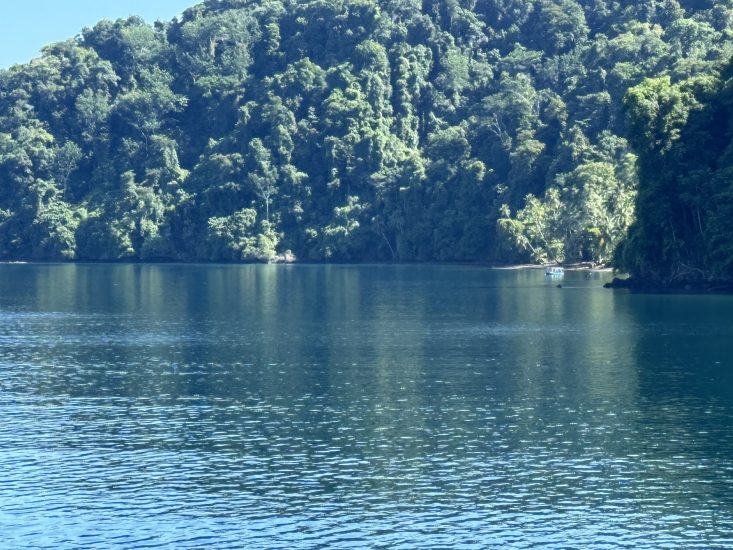
Here, the forest comes down to the water, mangroves fill sheltered inlets, and islands and marine reserves lie offshore. Farther south, the Osa Peninsula and Golfo Dulce are home to some of the country’s richest terrestrial and marine ecosystems.
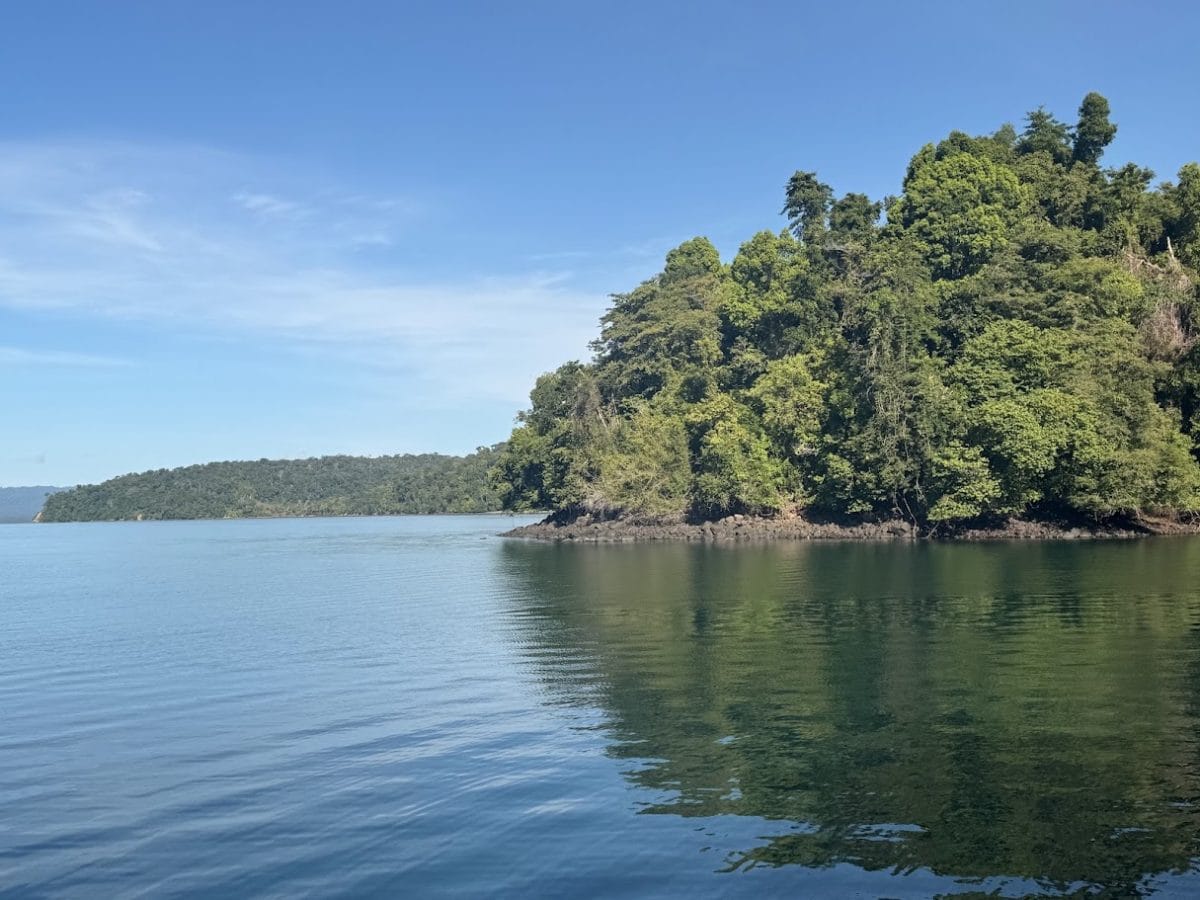
Traveling by sea also makes it possible to link places that can be difficult to reach overland. Kontiki Expeditions’ Pura Vida itinerary does that aboard the 18-passenger Kontiki Wayra, with stops that can include the Gulf of Nicoya, Savegre River, Caño Island, Corcovado National Park, Punta Adela, and the mangroves of Los Mogos.
But this isn’t a cruise for viewing Costa Rica from offshore. The emphasis is on getting off the yacht to hike, snorkel, kayak, look for wildlife, and explore.
The small yacht is what makes that possible. It’s transportation, hotel, restaurant, and home base for exploring Costa Rica’s Pacific coast.
Let’s take a look at what it’s like onboard – and whether this style of cruising is right for you.
The Ship: Kontiki Wayra
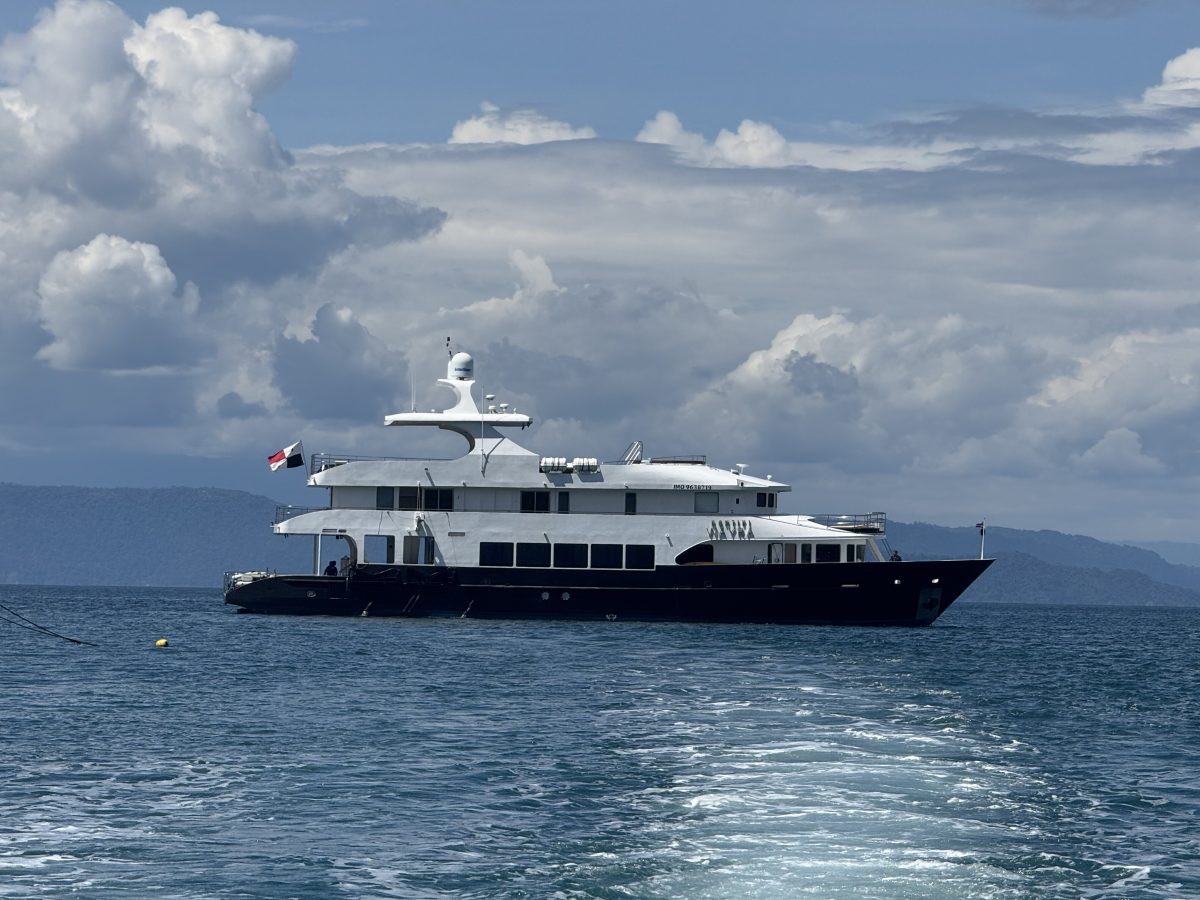
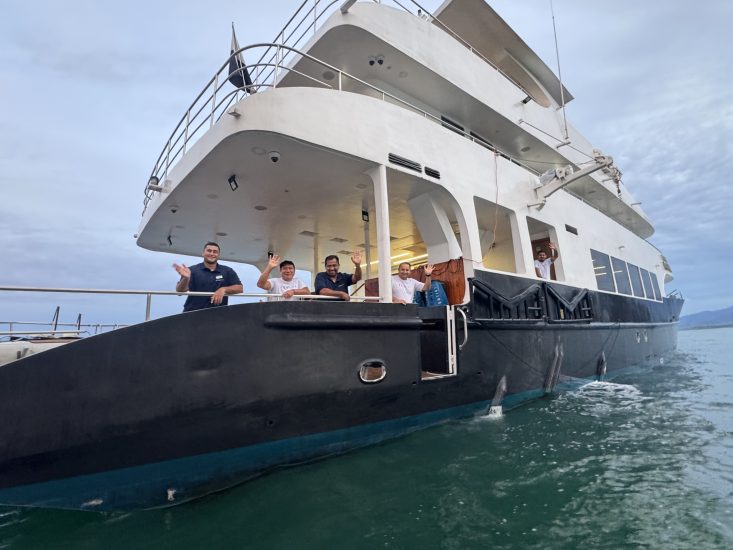
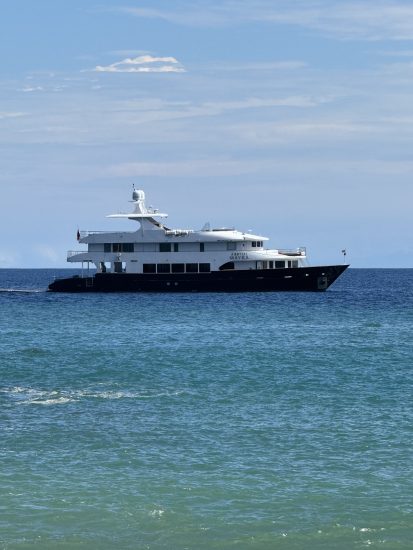
Kontiki Wayra is a 128 foot yacht with just nine staterooms and a maximum of 18 passengers. That’s small even by expedition ship standards. With so few passengers, there’s little distinction between being on a cruise and being on a yacht. You get to know everyone onboard quickly, without crowds or lines.
Despite its small size, there’s a surprising amount of public space. The ship has a main dining room, an lounge bar, two outdoor lounges, a sundeck with space for outdoor dining, and a Jacuzzi. The layout makes good use of the outdoor decks, an important consideration on an itinerary where the scenery and weather are a big part of the experience.
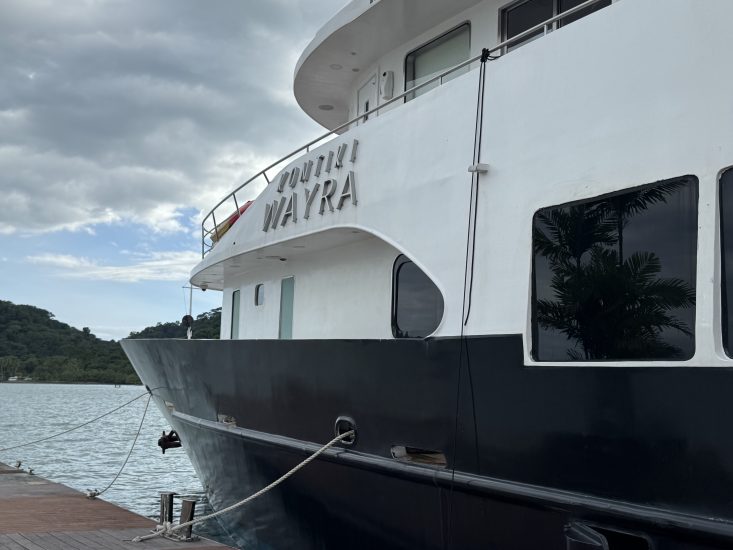
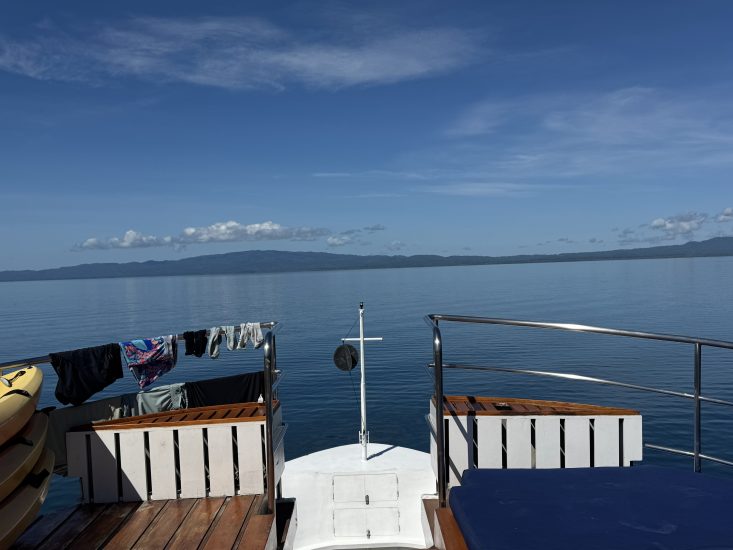
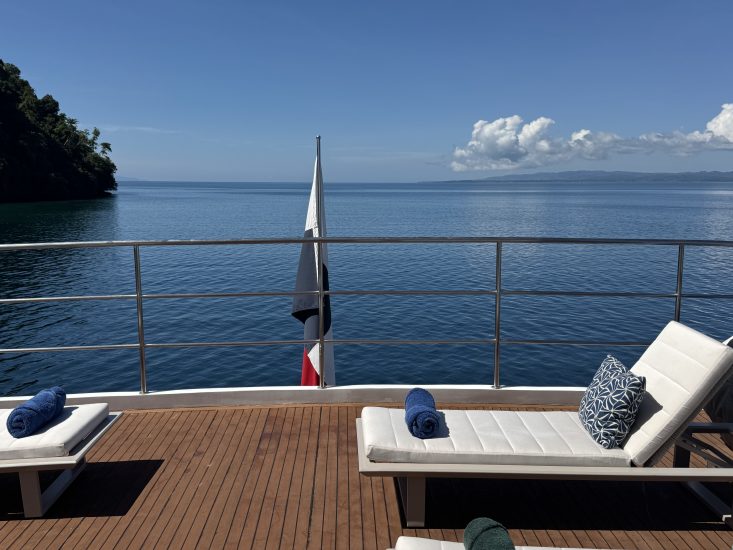
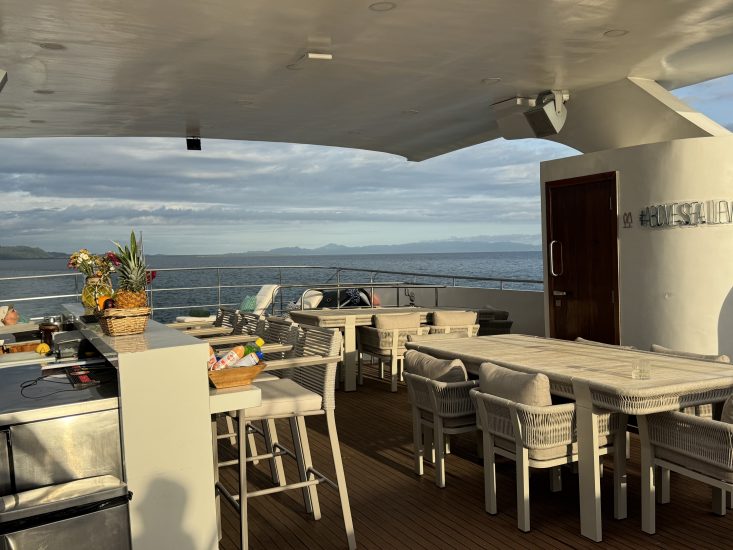
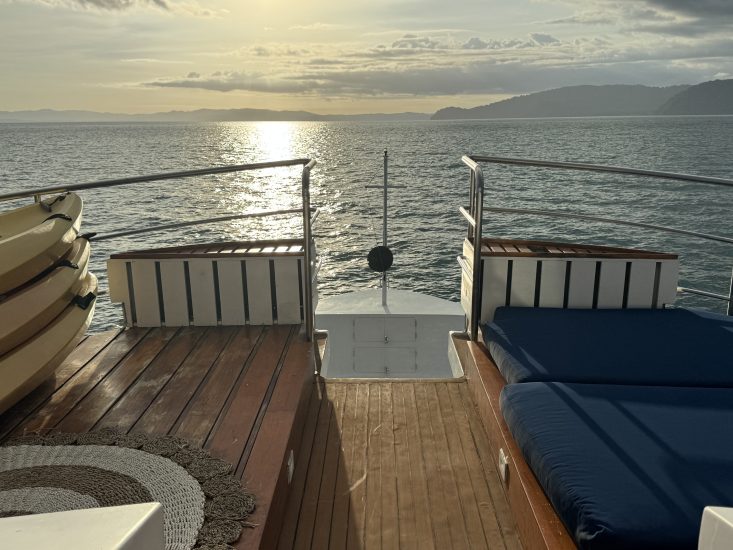
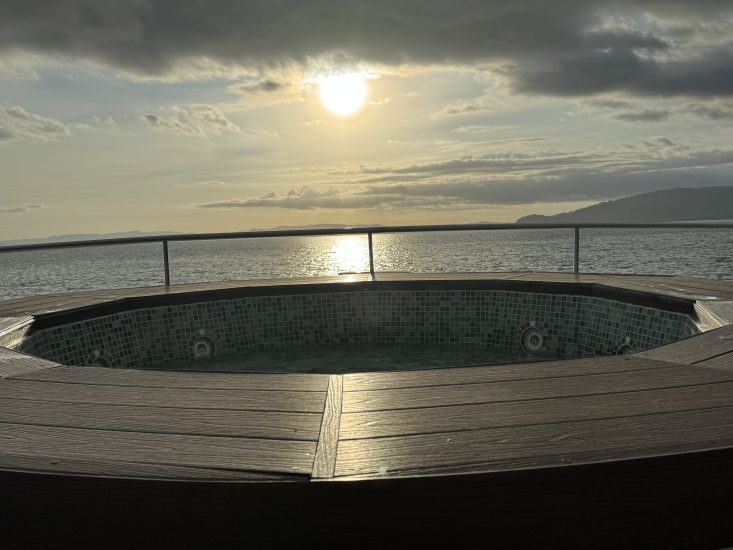
The design is contemporary and casual. Neutral colors, wood, and natural materials dominate the interiors, and windows keep the water and coastline in view from the public areas. Nothing feels particularly formal, and there’s no reason for it to. Days revolve around excursions, swimming and time outdoors, so the ship works primarily as a comfortable base between activities.
With only 18 passengers, onboard entertainment isn’t really the point. There’s no theater, casino or organized roster of activities. But there is slide into the water!Time onboard is more likely to be spent having a drink at the bar, sitting outside, soaking in the Jacuzzi or talking with the people you’ve been exploring with during the day. For me, that’s part of the appeal of a ship this size. The destination remains the focus, rather than competing with everything happening onboard.
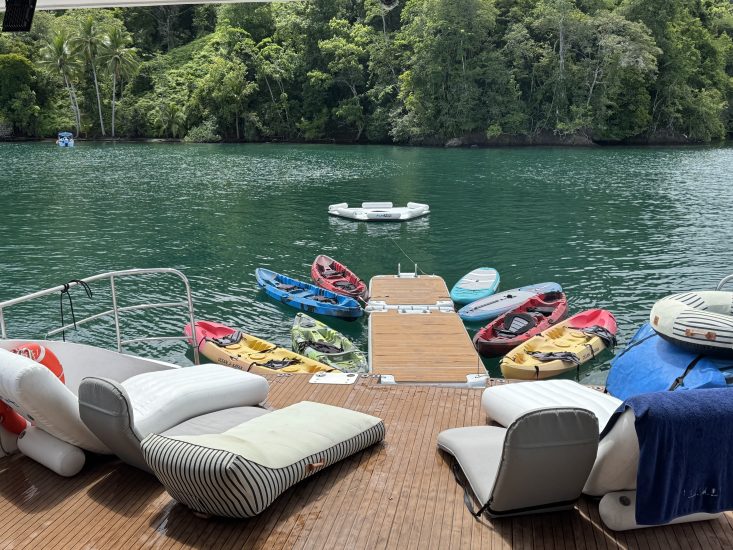
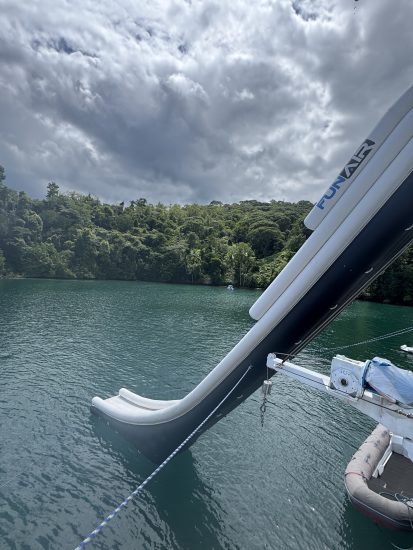
Kontiki Wayra also carries the equipment needed to make the most of its coastal itinerary, including kayaks, stand up paddleboards, snorkeling equipment, and a variety of water toys. One thing that I wish was onboard – as a non-swimmer who nonetheless enjoys tropical water – are some floaties (noodles, tubes, or loungers). There were life jackets, of course, but something a little more fun and relaxing would have been nice.
A naturalist guide travels with the ship and leads the land and water excursions. We got a briefing every evening about where we were going the following day, what we could expect to see, and get all our questions answered.
One of the best recommendations to come out of these briefings was the Merlin Bird ID app from the Cornell Lab of Ornithology. In Costa Rica’s national parks, I used it to identify birds by their calls and add them to my list of birds spotted. I enjoyed it enough that I found myself doing the same thing in my backyard after I got home.
WiFi is included, although it is often limited based on the ship’s location. I need to stay reasonably connected while traveling, and it was sufficient for email and social media.
The Food
Food onboard Kontiki Wayra reflected both where we were sailing and where the ship comes from. Kontiki is based in Ecuador, and many members of the crew are Ecuadoran, so meals drew on both Ecuadoran and Costa Rican flavors. There were also familiar American dishes in the mix. The result was a good balance, particularly over the course of the cruise. We were able to try regional ingredients and preparations without every meal feeling like an exercise in eating local cuisine.
Breakfast and lunch were served buffet style. Breakfast included the usual assortment of eggs, fruit, breads and other morning staples, along with dishes that brought in more Latin American flavors. Lunch changed daily and was substantial enough after a morning of hiking, snorkeling or other activities, but didn’t feel overly heavy. Fresh fruit, vegetables and seafood appeared regularly, which fit both the climate and the itinerary. Kontiki says its chefs prepare meals and snacks daily using local organic produce, with menus combining traditional and modern techniques.
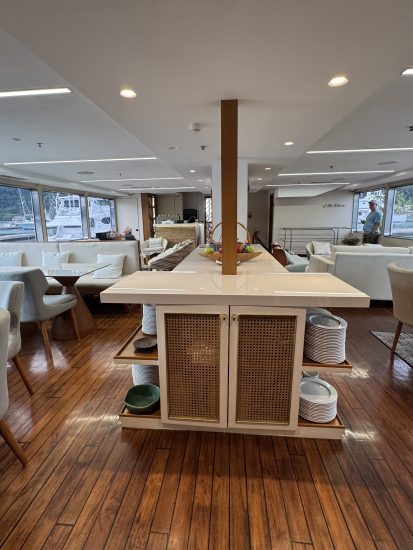
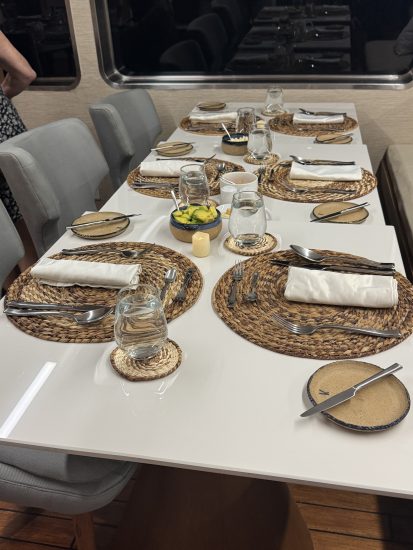
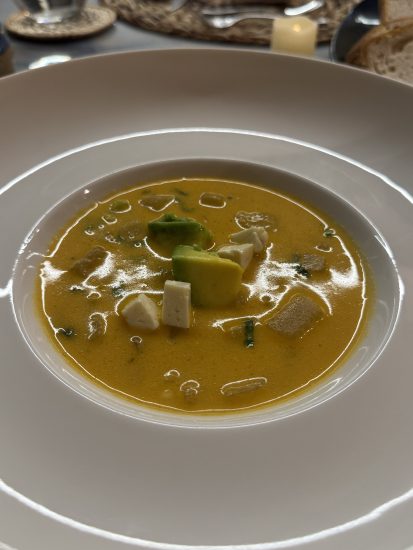

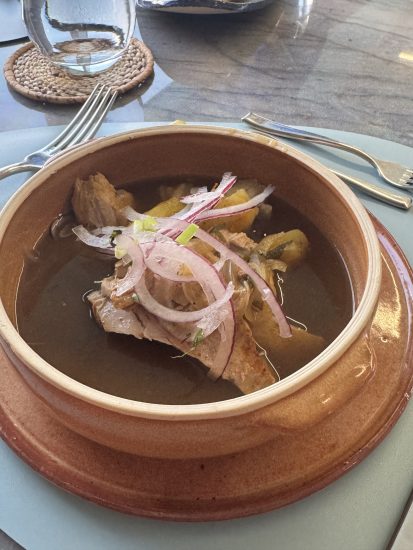
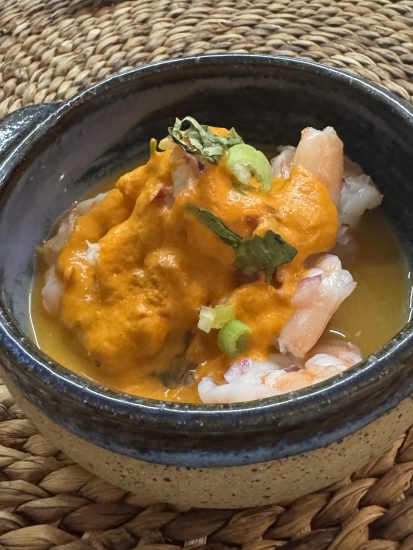
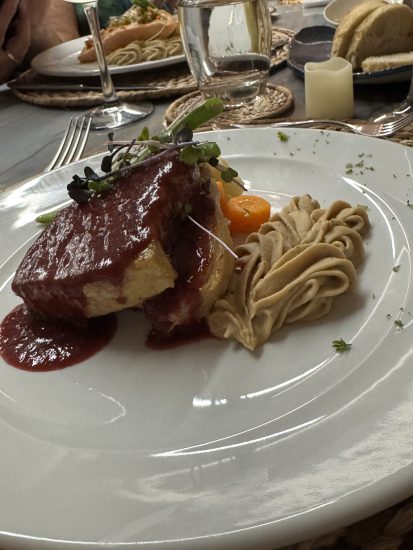
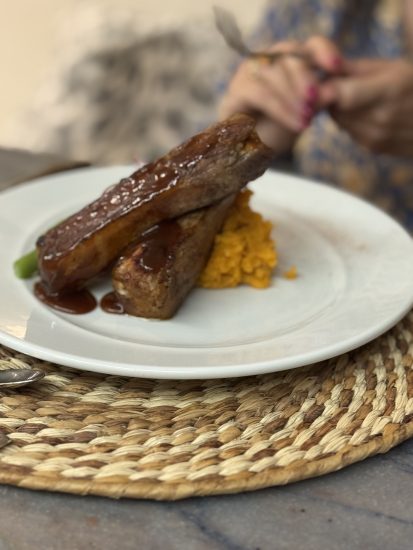
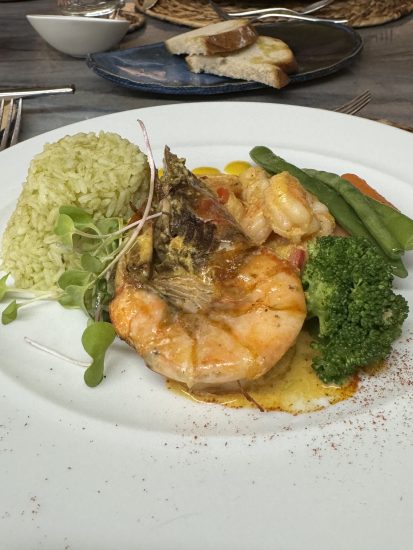
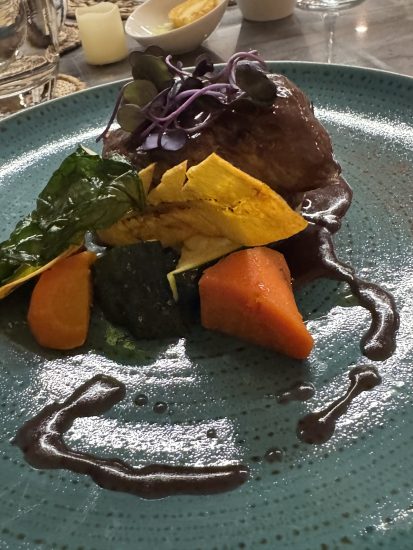
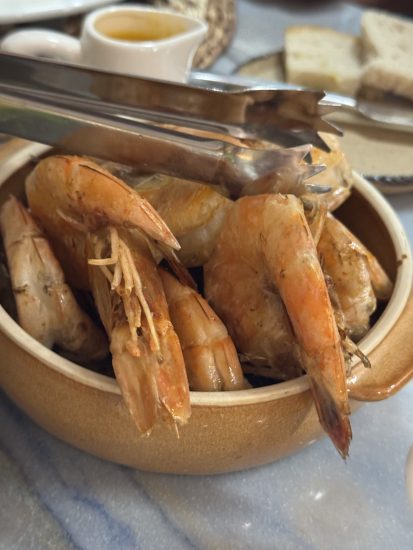
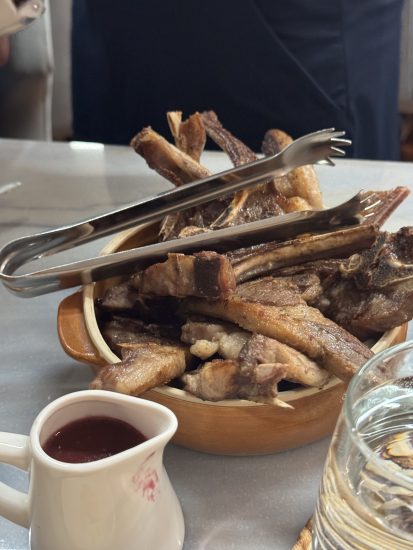
Dinner was a more traditional sit down meal and was cooked to order. Each evening there was a choice of two entrees, rather than an extensive menu. On a ship carrying a maximum of 18 passengers, that approach made sense. There was enough choice without trying to reproduce the dining program of a much larger cruise ship, and meals felt more like dinner in a small restaurant.
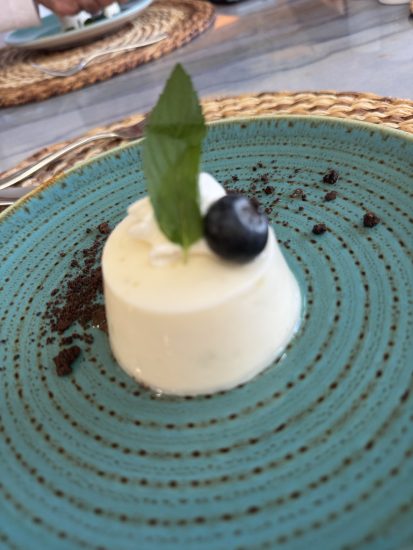
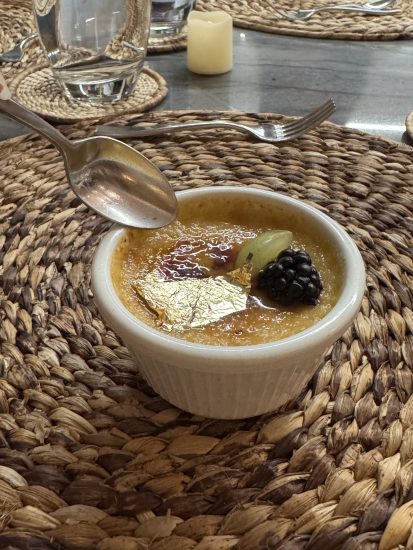
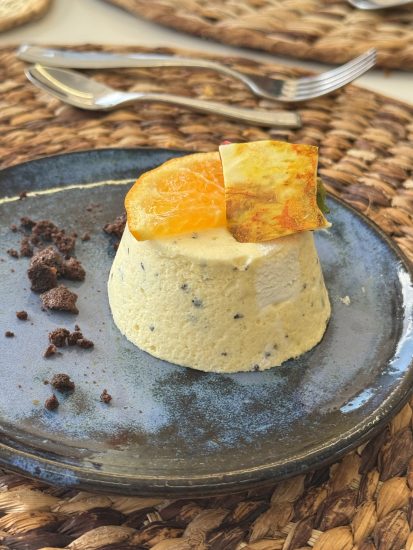
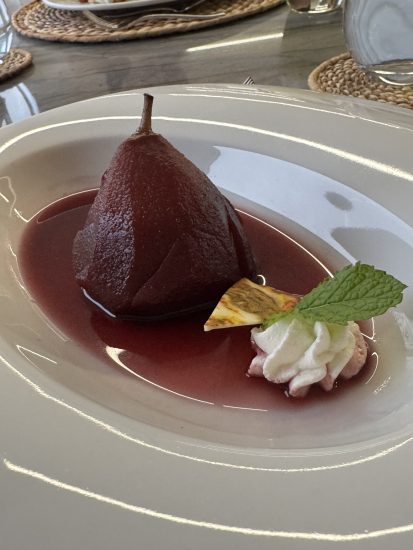

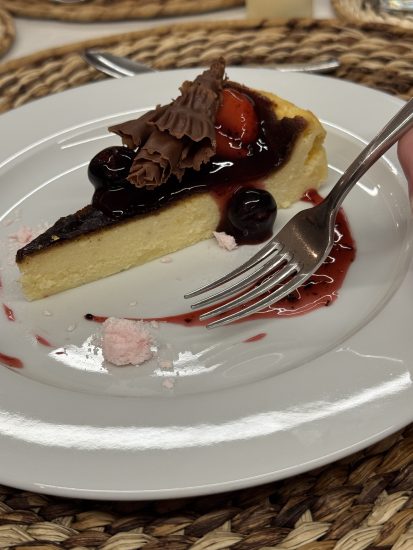
Dining was also flexible enough to move beyond the dining room. A top deck barbecue was one of my favorite meals.
Cabins
With only nine cabins aboard Kontiki Wayra, choosing a cabin is refreshingly simple. There are three categories – Porthole, Panoramic, and Veranda . All have private bathrooms and can be configured with either two twin beds or one king bed.
The differences between categories come down primarily to location, size, and how much of a view you want from your cabin.
Porthole
There is just one Porthole cabin, located on the Lower Deck. At 161 square feet, it’s a comfortable size for a small expedition yacht and has either two twin beds or a king-size bed.
As the name suggests, the tradeoff here is the window. Rather than the expansive windows found in the other categories, you have a traditional porthole view. For travelers who spend most of their waking hours out exploring or enjoying the yacht’s public areas, that may not matter much.
The location does put you close to the fitness and spa facilities, and the Porthole is the entry-level cabin category. If cabin views aren’t a priority, this is the value choice.
Panoramic
The three Panoramic cabins are located on the Main Deck and range from 140-204 square feet, so there can be a noticeable size difference depending on the specific cabin.
The big advantage here is right in the name – panoramic windows bring in plenty of natural light and keep the scenery visible even when you’re relaxing in your cabin. Unlike the Veranda cabins, these are accessed from the yacht’s interior.
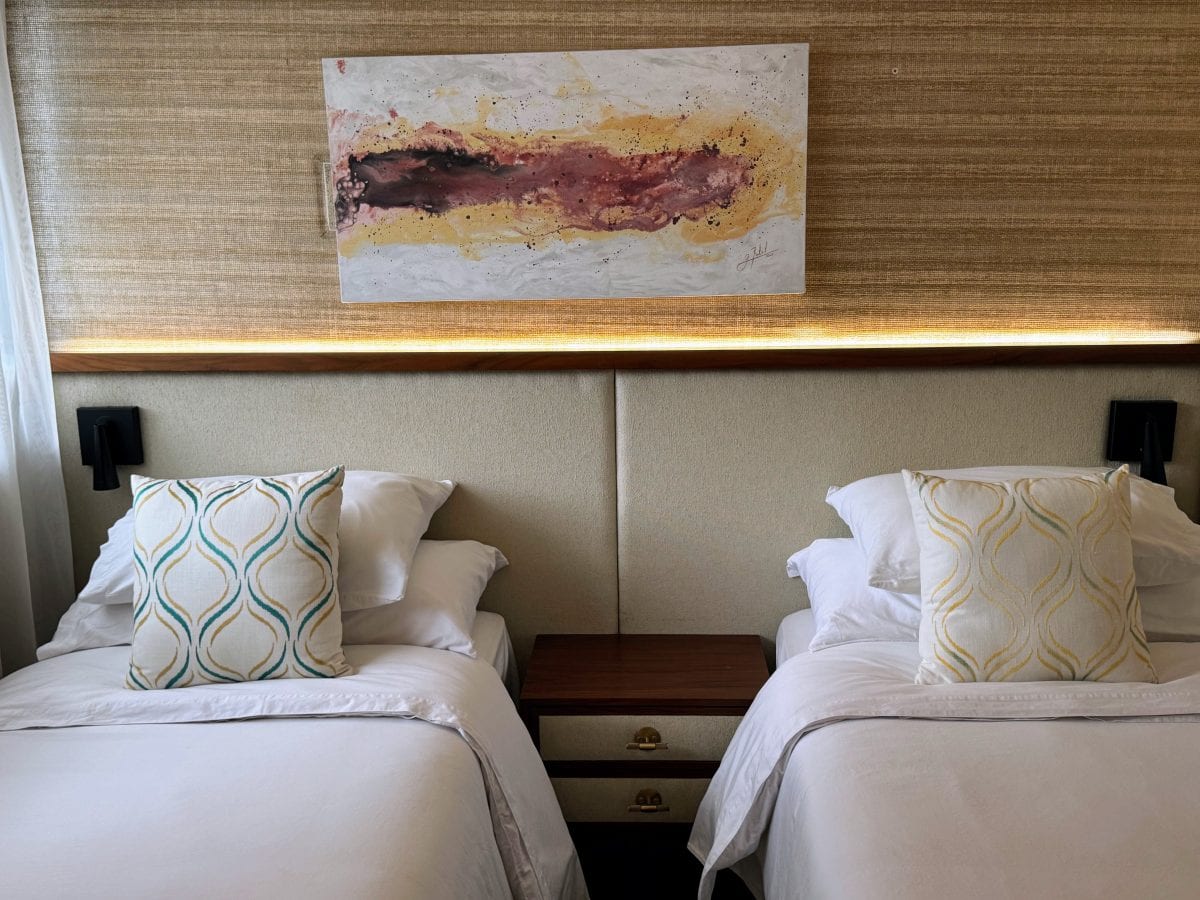
For many travelers, the Panoramic category may be the sweet spot. You get the large windows and a bright, open feel. If cabin size is important to you, however, it’s worth asking about the specific cabin being assigned since the square footage varies considerably within this category.
Veranda
The five Veranda cabins make up the largest cabin category aboard Kontiki Wayra. They are located on the Upper Deck and measure 193 square feet, with the same twin-or-king bed configuration.
There’s one important distinction to understand about the name. These aren’t veranda cabins in the traditional cruise ship sense of having a private balcony attached to your room. Instead, the cabins are accessed via an outdoor area. Step outside your door and you’re immediately outdoors, with the sea and scenery right there.
That outdoor access may be part of the appeal. On an itinerary where the landscape is such an important part of the experience, it’s nice to be able to walk out of your cabin and immediately see what’s happening outside. Or, it may be an annoyance as other guests walk by your sliding door.
On a yacht this small, however, you’re never very far from an outside deck – so I wouldn’t consider any of the three a bad choice.
The Itinerary
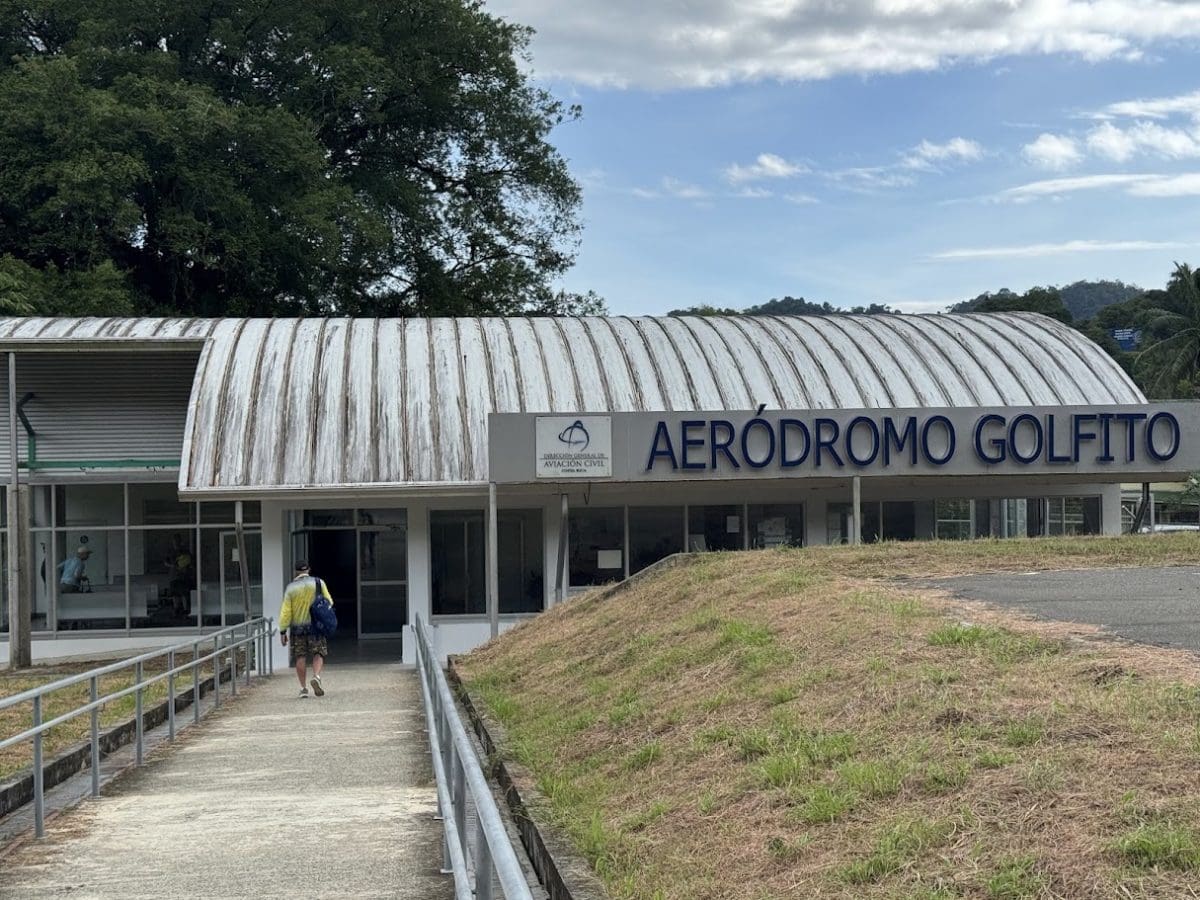
The Pura Vida Expedition is an eight-day, seven-night itinerary along Costa Rica’s Pacific coast, sailing out of and returning to Golfito. It’s built around getting off the yacht and into the water, rainforest, rivers, and wildlife-rich areas that make this part of Costa Rica special.
The published itinerary includes: Marina Pez Vela – Nicoya Gulf, Alcatraz Island, Savegre River, Cano Island, Corcovado National Par – La Sirena Station, Punta Adela – Puerto Jimenez.
Changes will be made for weather and sailing conditions, if necessary. On our sailing, a storm loomed and rough sailing conditions were projected. Our captain laid out a few options for us, and passengers unanimously agreed to avoid the rough weather and position ourselves in a different area.
After boarding Kontiki Wayra, the first evening is an easy one – settle into your cabin, meet the crew and fellow passengers, enjoy a sunset cocktail on the sundeck, and have a welcome dinner as the yacht begins its journey south.
There are plenty of beautiful beaches along the way, but this isn’t a sit-on-the-beach kind of cruise. The itinerary is built around getting off the yacht and into the water, rainforest, rivers, and wildlife-rich areas that make this part of Costa Rica special.
Getting There
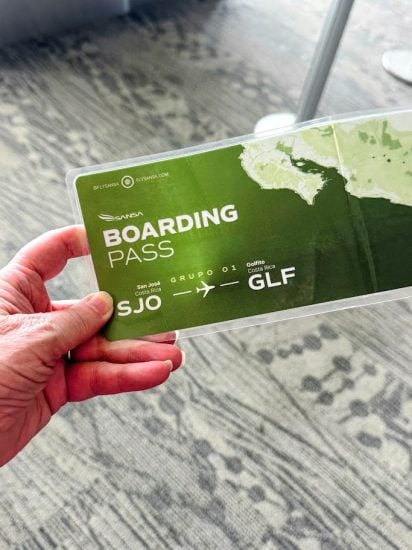
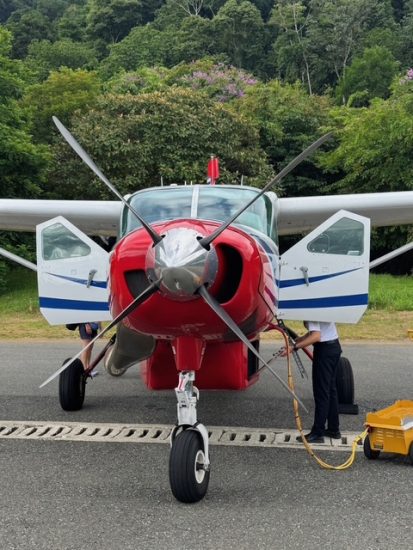
I flew into Juan Santamaria International Airport (SJO) in San Jose, Costa Rica. Most international travelers will fly in here, spend the night in the the capital city, and then take a small commuter flight on Sansa Airlines to Golfito (GLF) the following day.
How Active Is the Itinerary?
This is an active cruise, but it isn’t an endurance test. My days of go-go-go and do everything have passed. I still want to be active, but I’ve come to appreciate my downtime a lot. Even though I am an out of shape woman “of a particular age” and a non-swimmer who nonetheless loves warm, tropical water, there were options for me to enjoy. Don’t let stereotypes keep you from enjoying a Kontiki cruise.
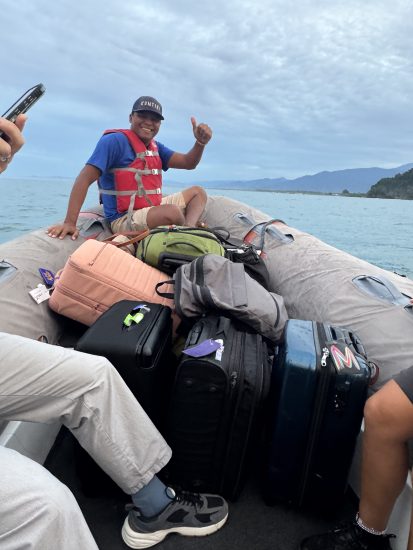
Most days feature one primary guided excursion along with opportunities for water activities. There was hiking, snorkeling, kayaking, paddleboarding, rafting, swimming, and more. Getting to land may involve a wet landing, meaning you step out of the tender into ankle- to knee-deep water and walk onto the beach.
You don’t have to do everything. If rafting or snorkeling aren’t your thing, there are opportunities to opt out and enjoy the yacht or beach instead. I skipped white water rafting and snorkeling, but don’t feel like I missed out on anything. My cabinmate didn’t want to miss a thing, and did everything, and she had a great time. All of it made for interesting dinner conversation.
It’s also important to remember that this is an expedition itinerary. Weather, sea conditions, wildlife, and other factors can change the plan. The Captain and team may adjust the schedule when conditions warrant. That flexibility is part of expedition cruising, and it’s best to arrive with the attitude that the itinerary is a plan rather than a promise.
For me, that combination of small-ship access and varied activities is the real strength of the itinerary. You’re not just cruising past Costa Rica’s Pacific coastline. You’re snorkeling it, hiking it, paddling through it, rafting it, and occasionally sitting on a beautiful beach.
I’ve divided the Kontiki experience into themes. It’s a better way of evaluating the itinerary to see if it matches up with your preferences.
Nature and Wildlife
Wildlife is one of the big reasons to come to Costa Rica, and you’ll be looking for it throughout the cruise. Hands down, wildlife was the big draw for me on this itinerary. And we saw a lot.
Monkeys, sloths, scarlet macaws, dolphins, sea turtles, and an impressive variety of birds are all possibilities. Sometimes you’re specifically out looking for them. Other times something appears while you’re doing something else.
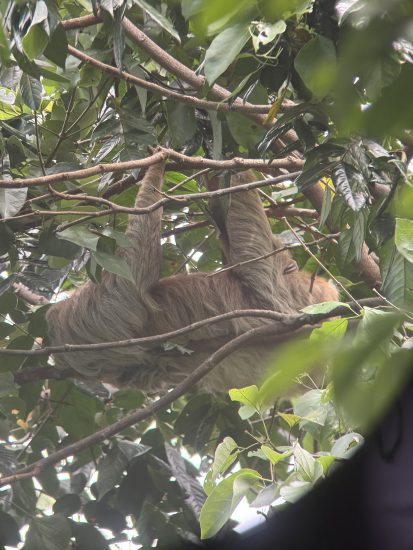
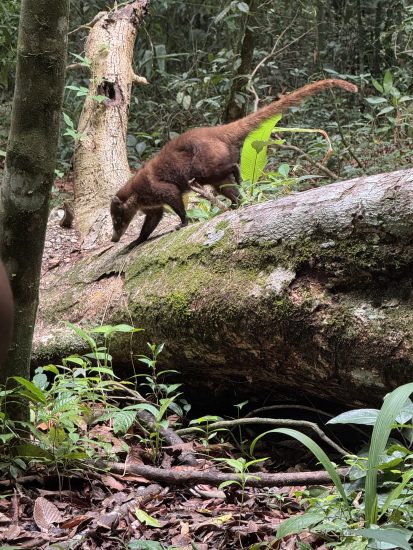
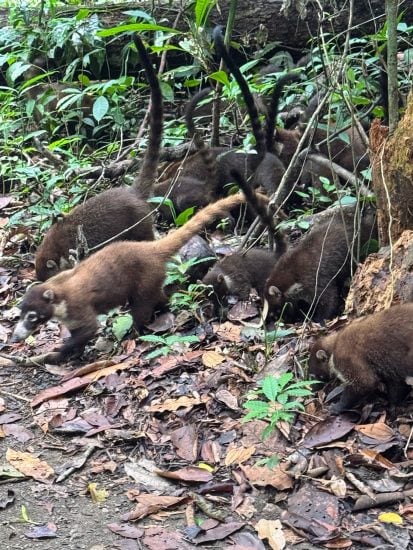
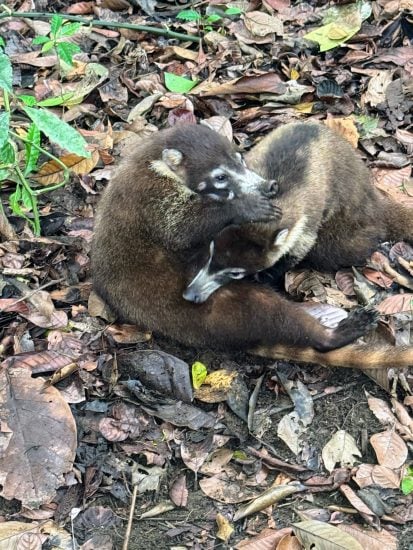
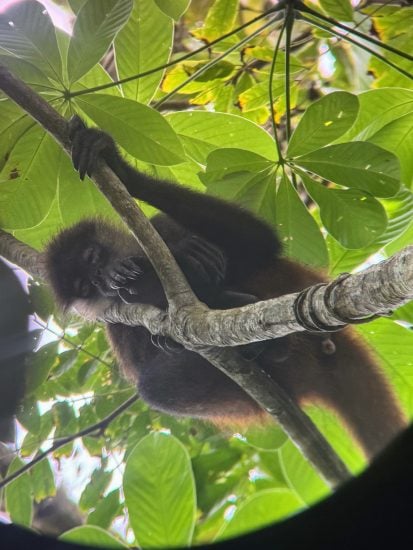
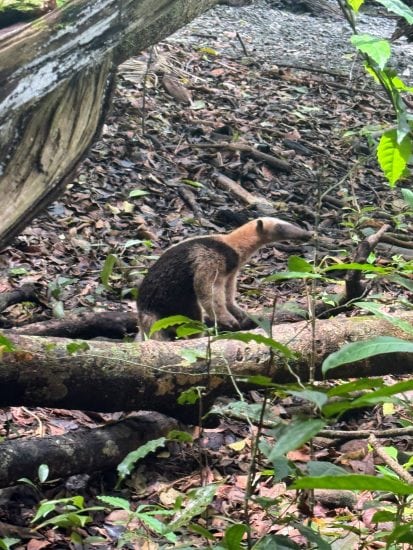
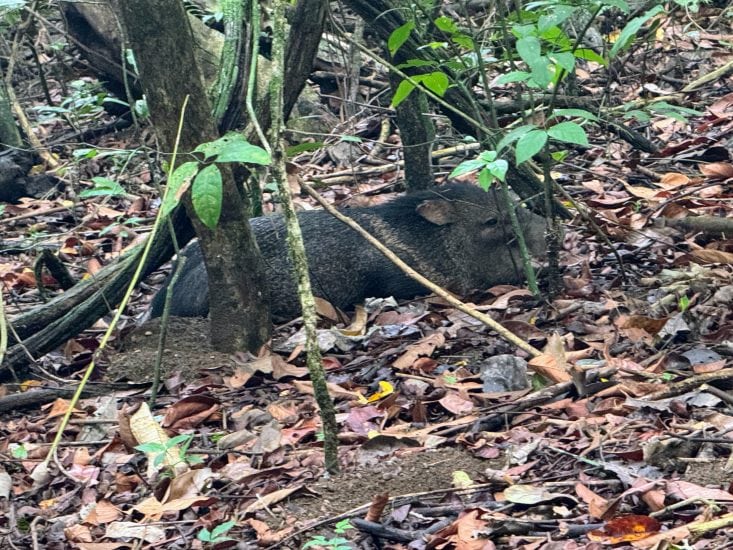
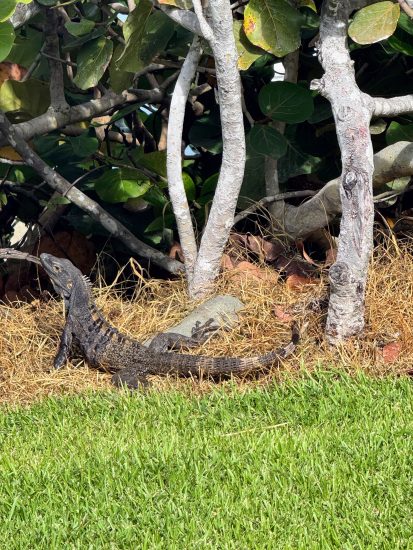
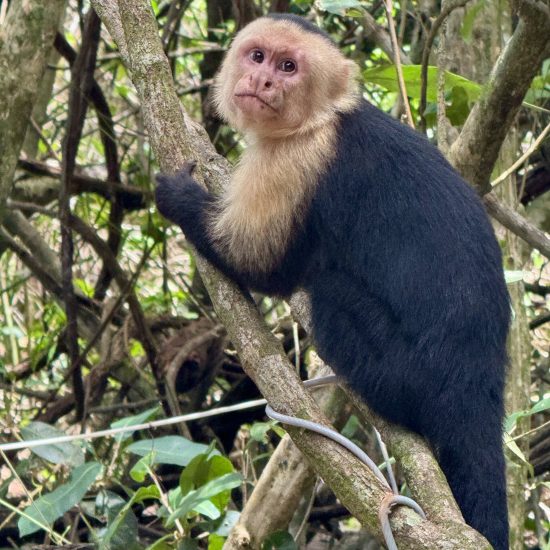
Corcovado National Park on the Osa Peninsula is the big wildlife day. Four species of monkeys live here, along with tapirs, sloths, peccaries, scarlet macaws, and hundreds of bird species. Jaguars and pumas are here as well, but adjust your expectations accordingly. Seeing wildlife is one thing. Seeing a jaguar is another.
Our visit took us to the area around La Sirena Ranger Station, where we headed out on foot with the naturalist guides. This is one of the places where having a small group pays off. You’re not trying to spot a monkey while standing behind a busload of other people.
But don’t save all your wildlife enthusiasm for Corcovado. We also visited Manuel Antonio National Park and saw lots of sloths.
You may wildlife while sailing, kayaking, or hiking. Keep your eyes open.
Humpback whales are also seasonal visitors to Costa Rica’s Pacific coast. We weren’t there during whale season, but it’s something to keep in mind when deciding when to go.
Water Experiences
Water activities are a big part of this itinerary, but you don’t have to do them all to have a good time. Adjust your participation to your interests and comfort level.
Snorkeling, swimming, kayaking, stand-up paddleboarding, rafting, and playing with the yacht’s water toys are all part of the experience. I enjoyed kayaking and getting in the warm water, although what I do is hardly considered swimming, and did not feel pressured to go beyond my comfort zone. Not all traveling partners have uniform interests, so this diversity is important.
One of the big snorkeling days is at Caño Island Biological Reserve, off the Osa Peninsula. It’s regarded as one of Costa Rica’s premier snorkeling and diving areas, with tropical fish, rays, sea turtles, sharks, and other marine life among the possibilities.
There are additional opportunities for snorkeling and swimming elsewhere along the route, including Punta Adela.
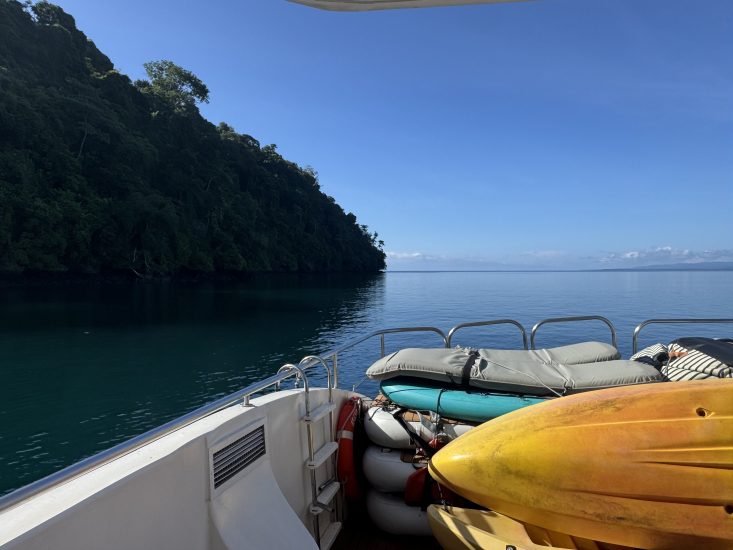
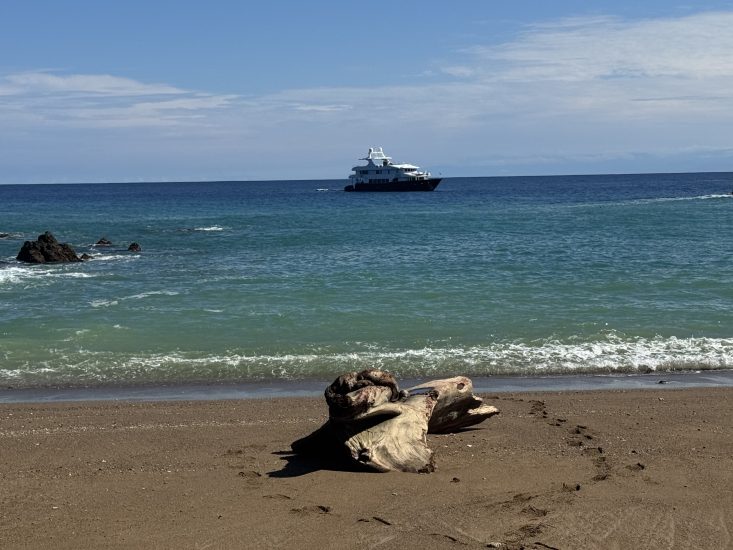
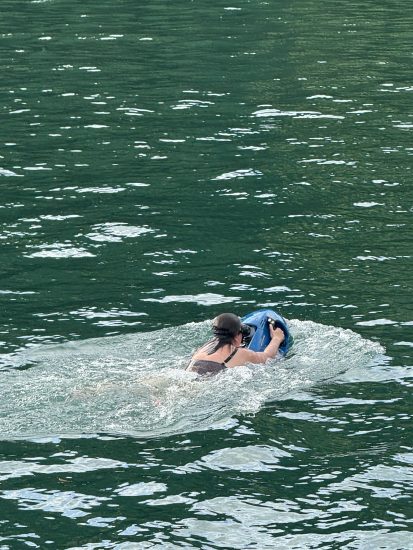
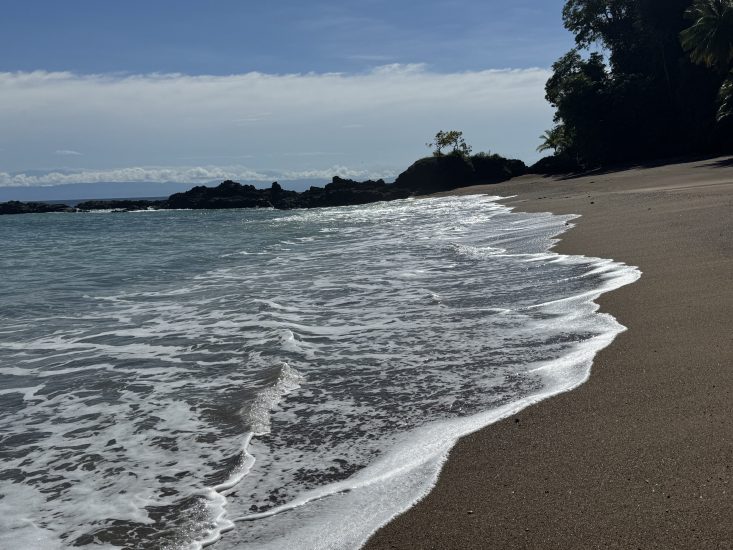
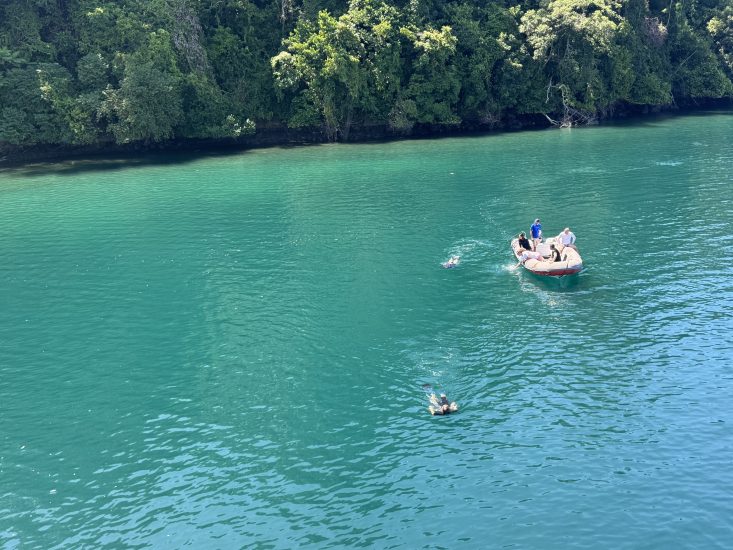
Kontiki Wayra carries kayaks, stand-up paddleboards, and Seabobs, and there are days when the stern of the yacht essentially becomes your launching point for whatever you feel like doing. Alcatraz Island is one of those days – swim, snorkel, paddle, play with the water toys, hang out on the beach, or mix and match.
Golfo Dulce offers a different kind of water experience. The calmer water and mangrove environment make it ideal for exploring by kayak or paddleboard, slowing things down and looking for wildlife along the shoreline.
The Savegre River is a little more high octane, with Class II and Class III rapids. You don’t need previous rafting experience, but I felt it was a little beyond my comfort zone and opted to remain on the ship. I had a heavenly bit of relaxation with a book and a beverage, and eagerly listened to everyone’s experiences when they returned.
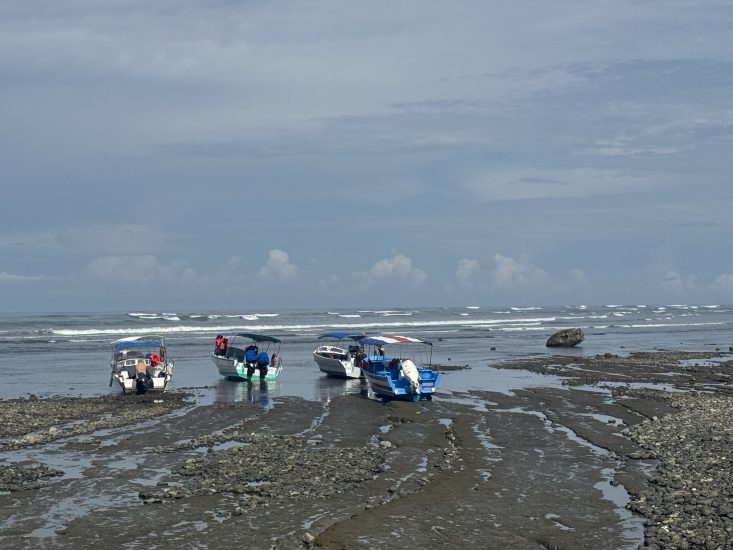
One practical thing to know: not every excursion begins at a dock. There are wet landings, meaning you’ll get out of the tender in shallow water and walk onto the beach. This is expedition cruising, and not every stop has a dock. Bring water shoes and be prepared to use them.
Culture
Culture plays a supporting role on this itinerary.
That’s worth pointing out because travelers define “experiencing a destination” differently. If you’re looking for museums, historic architecture, shopping, nightlife, and lots of time wandering around towns, that’s not what this cruise is about.
The cultural experiences are smaller and more personal, and often revolve around food, agriculture, and the people who live in this part of Costa Rica.
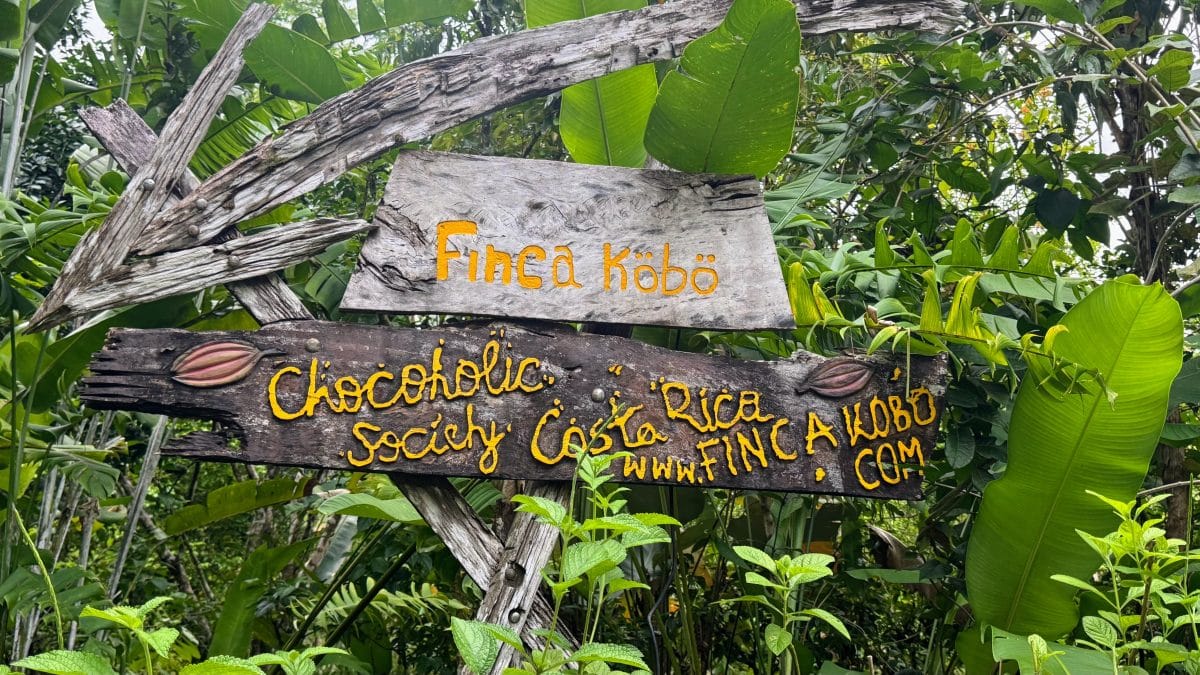
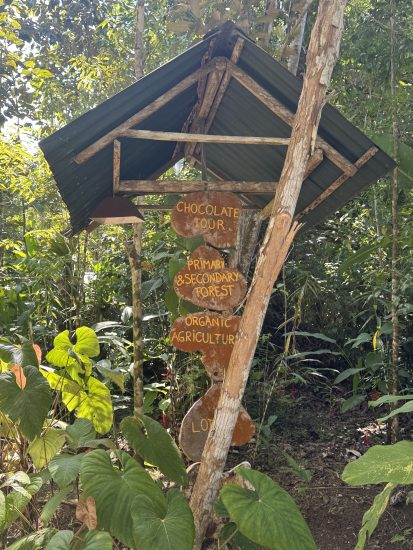
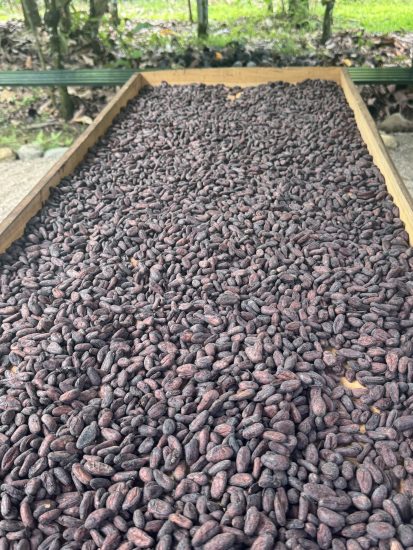
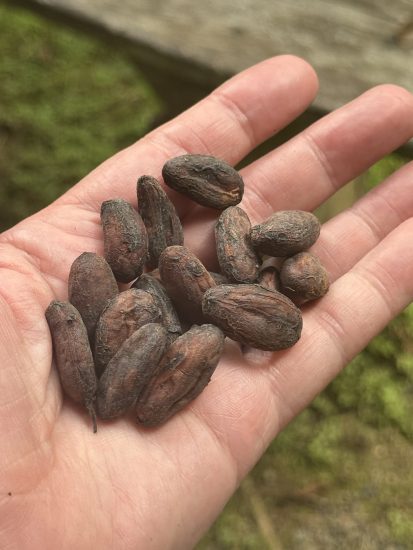
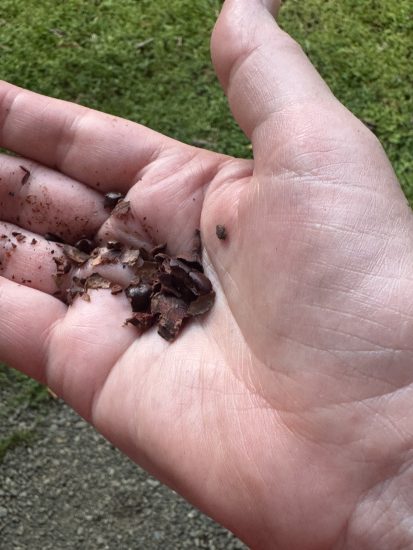
A visit to an organic cacao farm near Puerto Jiménez is the most obvious example. We learn how cacao is grown and processed and how it eventually becomes chocolate. I took a turn at grinding some beans. It’s hard work.
There was tasting. I consider that an important part of the educational process.
Food provides another connection to Costa Rica throughout the cruise. The onboard culinary program incorporates local ingredients and flavors, along with flavors from home of the Ecuadorian crew. We got a couple of recipes to take home, Ecuadorian Aji Criollo with Grated Carrot and a Banana Colada, but I haven’t given them a try yet.
You’ll also spend time with local guides and people connected to the places you’re visiting. With only 18 guests onboard, these interactions can be conversations rather than presentations delivered to a crowd.
Still, nature and adventure are unquestionably the focus of the Pura Vida Expedition, and I think that’s something you should understand before booking.
This isn’t a cruise where you spend the morning sightseeing, return to the ship for lunch, and dress for dinner. You’ll come back onboard with wet hair, sandy feet, muddy shoes, or some combination of the three. So much fun!
The Price
Cruise pricing is full of special offers. You’ll find early-booking discounts, promotional fares, and other incentives that can make comparing prices more complicated than simply looking at the published rate.
You’ll need to do your own personal research to evaluate what’s important to you on any cruise, and the price point that is comfortable for your budget. Armed with that information and knowledge, you can book directly with the cruise line or use a travel agent with good small-ship and expedition cruise knowledge.
Pricing varies by departure, cabin category, and available promotions. 2027 rates are not yet on the Kontiki website, so contact them directly or your travel advisor.
Kontiki fares are fairly inclusive. Your cruise fare includes accommodations, all meals and snacks, onboard and shoreside gastronomic experiences, soft drinks and most alcoholic beverages, guided land and sea excursions, entrance fees and transfers to reserves and protected areas, and use of snorkeling equipment, wetsuits, kayaks, and stand-up paddleboards. Limited Wi-Fi and transfers between the yacht and designated hotels or airports at embarkation and disembarkation are also included.
Not included are international airfare, pre- and post-cruise hotels and experiences, spa treatments, premium wines and spirits, and gratuities.
Gratuities
Mention tipping in a group of people and it’s sure to elicit a lively discussion. I wish all service staff were paid a living wage, with consumer prices adjusted accordingly, and that tipping would cease to exist. I know that won’t happen any time soon. Until then, I have accepted that it is an additional expense to factor into a vacation budget.
Gratuities are not included in the Kontiki cruise fare and are left to the discretion of passengers. Kontiki recommends $20-30 per person, per day, for the expedition guides, plus $50-70 per person, per day, for the crew.
For the seven-night Pura Vida Expedition, that works out to a suggested gratuity of $490-700 per person for the week. For two people, you’ll want to budget $980-1,400 in gratuities – a significant additional expense that’s worth factoring into the overall cost of the cruise.
Gratuities are distributed among the crew and guides.
Is a Kontiki Cruise Right for You?
A Kontiki cruise is for travelers who want to experience Costa Rica rather than simply see it.
You’ll get the most out of this cruise if wildlife, nature, and being outdoors are high on your vacation wish list. You don’t need to be particularly athletic or an experienced adventurer. I certainly am not. But you should be willing to get off the yacht and try the activities that appeal to you.
It’s also a good match for people who love very small ships. Wayra feels more like a private yacht than a cruise ship. You’ll get to know your fellow passengers, guides, and crew quickly, and its size allows it to visit beaches, reserves, and coastal areas that aren’t part of traditional cruise itineraries.
I think there’s particular appeal for experienced cruisers looking for something different, and for travelers curious about expedition cruising who aren’t interested in Antarctica or the Arctic. You get naturalist guides, wildlife, an itinerary that can change with conditions, and active excursions – all in a warm-weather destination.
And you don’t have to rough it. After hiking through a humid rainforest or spending the afternoon in the water, you can come back to an air-conditioned cabin, have a cocktail, and enjoy a good dinner. That’s my kind of adventure.
Who might not have a great time?
Travelers with significant mobility limitations may find wet landings, hikes, and tender operations challenging. And if the things you love most about cruising are lots of onboard entertainment, multiple restaurants, nightlife, shopping, and days spent relaxing by a pool, Kontiki probably isn’t your best match. The destination and what you do there are the entertainment.
For me, that’s the point.
Worth Reading
I like to read books set in the places I’m visiting, either before a trip or while I’m there. These fiction and non-fiction selections provide some background on the nature, history, and sometimes darker side of Costa Rica’s southern Pacific coast.
Fiction
- A Killer in Paradise – Tom Hindle (2026) – A group of old university friends reunites for the opening of a luxury eco-resort deep in the rainforest of the Osa Peninsula, only to find their host missing and themselves increasingly isolated. A contemporary destination thriller with a setting that closely overlaps the Kontiki itinerary.
- The Hideaway – Nikki Allen (2025) – Five strangers are invited to a luxurious wellness retreat in the rainforest of the Osa Peninsula, but their influencer host is mysteriously absent when they arrive. A tropical locked-room-style thriller that makes good use of the Osa’s remoteness, jungle, and storms.
- Corcovado – Tom Rapko (2009) – An American expat, a butterfly researcher, and a veteran ranger at Sirena Station find their lives intersecting in Corcovado National Park as they confront a threat to the park. The setting – including Sirena – makes this especially relevant to the Kontiki itinerary.
- Goldwalker: Tales of the Osa Peninsula of Costa Rica – Scott Anderson (1989) – Set among the gold miners, expatriates, and adventurers of the Osa Peninsula, the novel follows Patrick “Patricio” O’Connell as he travels through the remote rivers and jungles buying gold. It offers a fictionalized glimpse into the Osa’s colorful gold-mining history.
- The Scarlet Macaw Scandal – Carolyn Keene (2004) – Nancy Drew travels to a Costa Rican ecological preserve associated with Corcovado to study monkeys, only to discover that the animals are disappearing and something is wrong at the resort. It’s young-adult fiction, perfect if you’re brining kids along, but the rainforest, monkeys, conservation, and Corcovado setting make it a fun, light pre-cruise read.
Non-Fiction
- Wild Osa Peninsula and Corcovado – Duncan James (2026) – A detailed guide to the Osa Peninsula and Corcovado National Park, covering wildlife, birdwatching, hiking, snorkeling, and exploring the region. Maps, photographs, and an identification guide to the Osa’s iconic animals make it particularly useful for understanding what you may see during the cruise.
- The Adventurer’s Son: A Memoir – Roman Dial (2020) – Adventurer and biologist Roman Dial recounts his two-year search for his 27-year-old son, Cody, who disappeared while attempting a solo trek through Corcovado National Park. It’s both a compelling mystery and a sobering portrait of just how wild and remote the Osa Peninsula can be.
- Osa & South Pacific – Diego Arguedas Ortiz and Luciano Capelli (2020) – Part natural history and part regional guide, this beautifully illustrated book focuses specifically on the Osa Peninsula and Costa Rica’s South Pacific. It covers Corcovado, marine life, conservation, local culture, and the history of the region.