
The National Park System is a big draw for traveling in the United States, both for residents and visitors from abroad.
When you visit Washington State National Parks, you’ll find everything from beautiful views over a variety of landscapes, magnificent wildlife, and interesting historical sites. The state has 11 parks to visit, including national parks, national historical reserves, and national historical parks, giving visitors a great deal of choice when it comes to what they can see or do when traveling around Washington State.
From exploring some of the state’s most beautiful scenery to learning about some of the most important events in Washington State history, these national parks are a wonderful addition to any trip to the region. If you’re coming to Seattle for a cruise, add on a few extra days at either end, and plan to visit some of the parks.
To help you plan how to visit the various sites, here is a guide to discovering the National Park sites in Washington State.
Ebey’s Landing National Historical Reserve
As the gateway to the Puget Sound, it’s easy to think of Ebey’s Landing National Historical Reserve as charming today as in must have been when American pioneers explored the area back in the 18th century. The historical landscape of the park today looks just as it did back then. With an active farming community, you’ll still see historic farms operating alongside land protected for conservation and recreation.
There are also three state parks within the historical reserve – Fort Casey State Park, Fort Ebey State Park, and Ebey’s Landing State Park. Each have their own trails, beaches, and historic military structure. All are worth exploring, whether you’re into beach walks, gun batteries, or sunset photography over Admiralty Inlet.
While you’re in the neighborhood, the historic town of Coupeville is worth checking out. We recommend spending time wandering the historic wharf and downtown Front Street, browsing in the locally owned shops, and, if you time in right, shopping for fresh locally-grown produce at the weekly Farmer’s Market.
You may also want to head over to Island County (covering the San Juan islands) to mountain bike along the Kettle Trails and visit the Island County Historical Society and Museum.
Location: Coupeville, Washington
Hours: There are no set opening hours for the reserve, but individual businesses and parks within the reserve set their own hours.
Entrance fees: General entrance to Ebey’s Reserve is free. Entrance to the three state parks requires the Washington State Park Discover Pass ($10/day or $30/annual pass).
Best time to visit: Late spring to early fall for dry trails. If you don’t mind blustery weather, winter is also a nice time to vist, and with fewer crowds.
Crowds: Generally light, but expect to be more crowded on summer weekends (especially holiday ones), and festival days in Coupeville.
Tip: Get golden-hour views on a late afternoon walk on the Bluff Trail. Dinner on the Coupeville waterfront is a nice end to day in the park.
Official website here.
Fort Vancouver National Historic Site
Once the administrative headquarters and main supply depot for the Hudson’s Bay Company’s fur trade, Fort Vancouver holds great significance in US history and culture. When American immigrants arrived in Oregon County in the 1830s and 40s, this is where they would pick up their essential supplies to begin their new settlements.
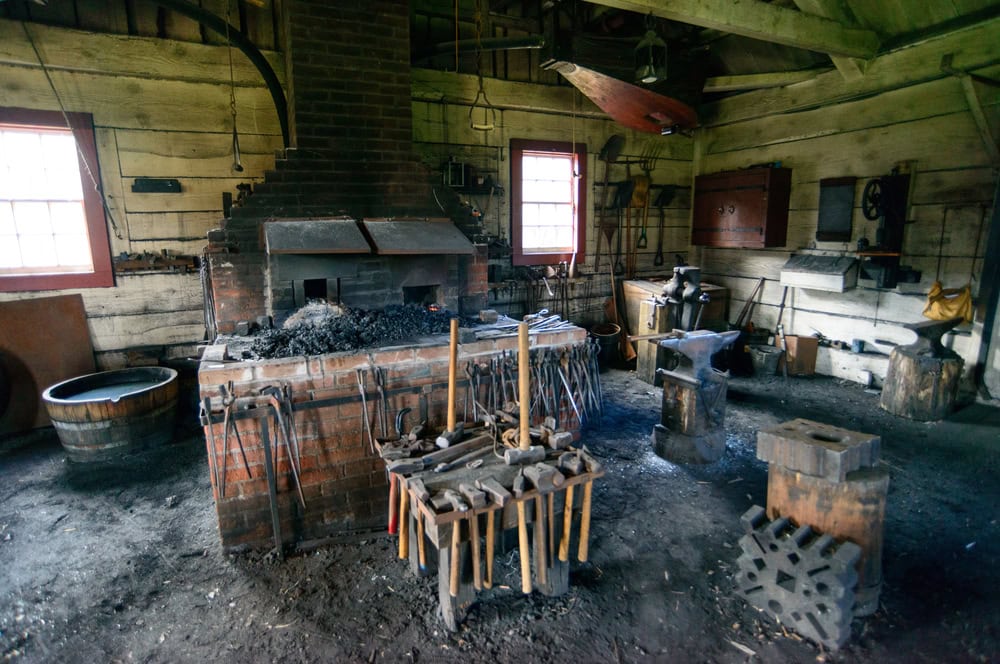
Fort Vancouver National Historic Site is made up of four major sites – Fort Vancouver, the US Army’s Vancouver Barracks, Pearson Air Musem, and the McLoughlin House in Oregon City – as well as the park’s Visitor Center which brings all of these sites to life through interactive exhibits. It’s a popular spot for school field trips, with living-history demonstrations scheduled on busy days.
The best way of experience the site is through one of the self-guided or ranger-guided tours of the complex. There are usually cultural demonstrations offered and popular ones include those at the Blacksmith shop, Bakehouse, and Kitchen. For those interested in historical weaponry, demonstrations and programs take place throughout the year.
Location: Vancouver, Washington
Hours: Tuesday – Saturday, 9 am to 5 pm (4 pm in winter).
Entrance fees: $10 for entrance to the Reconstructed Fort Vancouver.
Best Time to Visit: Spring and Fall for mild winter and slower crowds; Summer is busiest season, but is also a great time to enjoy the outdoor programs.
Crowds: Quietest on weekday mornings. Gets busier on school visit days and weekends.
Tip: After a busy day visiting the Fort, end the day with a walk and dinner along the Columbia River waterfront.
Official website here.
Klondike Gold Rush National Historical Park
Established to commemorate the gold rush of the 19th century, which succeeded in breathing life into an area that had been hit by economic depression, the Klondike Gold Rush National Historical Park exists mostly in Alaska. The visitor’s center, however, is located in Seattle and qualifies as an official site and focuses on how the city became the “Gateway to the Gold Fields.”
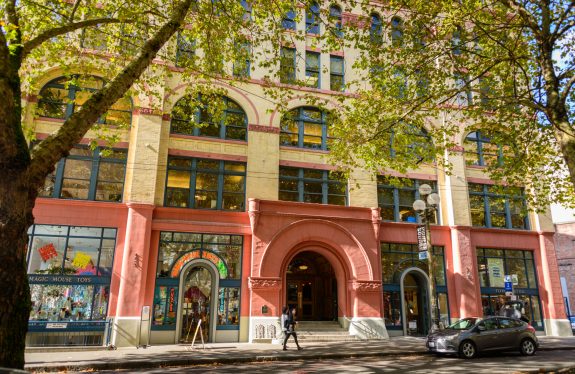
The Visitor’s Center is appropriately housed in the Cadillac Hotel, which dates back to 1889 when it was a major point of outfitting and departure throughout the gold rush stampede. Inside are interactive exhibitions and displays about the Klondike gold rush, including free video presentations in the theater.
After your visit, you’ll realize who really made in rich in the gold rush. (Hint: it wasn’t the miners.)
Location: 319 Second Ave S. (corner of 2nd & Jackson in the Pioneer Square neighborhood), Seattle, Washington
Hours: Wednesday-Saturday, 10 am-5 pm.
Entrance fees: Free.
Best Time to Visit: Year round, and perfect for a rainy day in Seattle.
Crowds: Generally lightly visited, but crowds do increase on days a cruise ship is in town.
Tip: Pair your visit with a stop at a local coffee shop, and a visit to Pioneer Square and an underground Seattle tour.
Official website here.
Lake Roosevelt National Recreation Area
Created in 1941 after the construction of the Grand Coulee Dam, Lake Roosevelt National Recreation Area is an ideal place to visit if you are the active type who like to be on or near the water. The lake itself is the most significant feature of the recreation area, stretching for more than 130 miles alongthe mighty Columbia River, and offers boating, houseboat rentals, fishing, swimming, canoeing, camping, and other outdoor activities.
If you want to add a little bit of history to your active trip, Fort Spokane and St. Paul’s Mission are both highlights of visiting the park. Built on land with great historical significance, Fort Spokane was established by the US Army in 1880 and was subsequently used as an Indian boarding school and tuberculosis hospital. Today, the Fort Spokane Visitor Center and Museum showcase the complex history and culture of the area. St. Paul’s Mission was a Jesuit mission church built in the 1830s and now stands as a monument of the Catholic presence in the Kettle Falls area, and its complex impact on Native communities.
Location: Coulee Dam, Washington
Hours: Open 24 hours.
Entrance fees: Free. Boat launch fee is $10 (valid for seven consecutive days), $5 Senior or Access pass. Annual pass is $60. Camping fees vary based on the season and number of people.
Best Time to Visit: Late spring through early fall.
Crowds: Busiest on summer weekends and holidays. Midweek, even during the summer, can be remarkable crowd-free.
Tip: Book early for a houseboat rental, opting for mid-week for best availability.
Official website here.
Manhattan Project National Historical Park
The Manhattan Project was the codename for the secret World War II operation that ultimately led to the development of the atomic bomb. Operating over three different sites (Hanford, Washington; Los Alamos, New Mexico; Oak Ridge, Tennessee), the Manhattan Project National Historical Park preserves this important piece of US history. The stories told include the impressive scientific achievements, along with the corresponding ethical questions.
The site which exists in Washington State – Hanford Engineer Works – was built to produce large quantities of plutonium, including the “Fat Man” bomb dropped on Nagasaki. As well as being representative of the work that was carried out here, the Hanford site also aims to explore the results of this top-secret work, including the condemnation of private property, eviction of homeowners, and the adverse impact the work had on Native American peoples in the area.
Guided tours of the site take around four hours, giving you the opportunity to see: the B-Reactor National Historic Landmark, which produced the material for the Trinity test and plutonium bomb; Hanford High School and Hanford Construction Camp Historic District; Bruggemann’s Agricultural Warehouse Complex; and White Bluffs Bank and Hanford Irrigation District Pump House.
Location: Richland, Washington
Hours: April-September hours are Mondays-Friday, 9 am-4 pm.Times of the tour vary; check the website for more details.
Entrance fees: Free, although you do need to register online, in person or via telephone prior to your visit. Check on tour available for the Pre-WWI Historic Facility Tours here; for the B Reactor Tours here. The B Reactor site was undergoing construction and tours were suspended last year. The website has not yet been updated to indicate if tours will be offered in 2026.
Best Time to Visit: Spring through fall.
Crowds: Small group tours, limited reservation times.
Tip: Combine up your time here with a visit to the Reach Museum. It focused on the mid-Columbia River Region, spanning from the Ice Age to the present.
Official website here.
Minidoka National Historic Site
During the early 20th century, although hostility towards people with Japanese ancestry existed, they had managed to make lives for themselves along the west coast of the country. That all changed in 1941 after the attack on Pearl Harbor. People began to suspect that anyone of Japanese heritage could be a spy, and they were forcibly rounded up and sent off to internment camps.
Bainbridge Island’s Japanese American families were sent first to the Puyallup Assembly Center and eventually to the Minidoka War Relocation Center. The memorial, located along a wooded waterfront trail at Pritchard Park, includes interpretive panels, names of those removed, and art that encourages reflection on civil liberties and the importance of “Nidoto Nai Yoni” (let it not happen again).
The main site of the Minidoka National Historic Site is located in Idaho.
Location: Pritchard Park, Bainbridge Island, Washington
Hours: Open year-round during daylight hours.
Entrance fees: Free.
Best Time to Visit: Any time of the year.
Crowds: Very light year-round.
Tip: Take the ferry from Seattle to Bainbridge Island, and follow up the site visit with some time wandering in Winslow.
Official website here.
Mount Rainier National Park
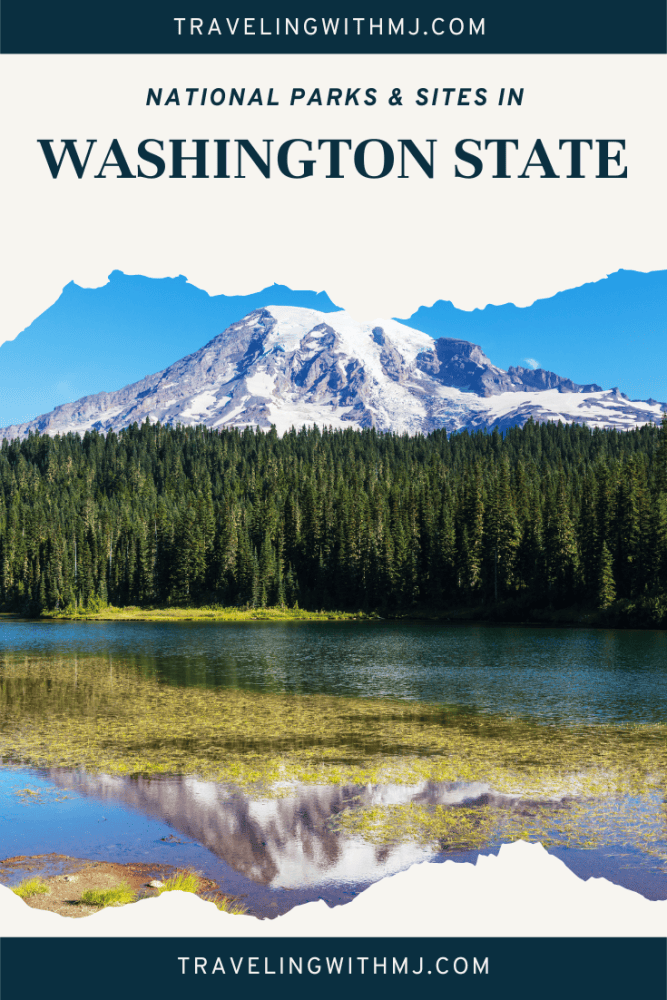
As one of Washington State’s most iconic natural sights, Mount Rainier National Park is the most popular Washington State National Park. Established in 1899, it is one of the oldest National Parks in the system. While Mt Rainier is an active volcano and an imposing feature in the Cascade Mountain Range, it is actually one of the youngest peaks in the range at around 500,000 years old.
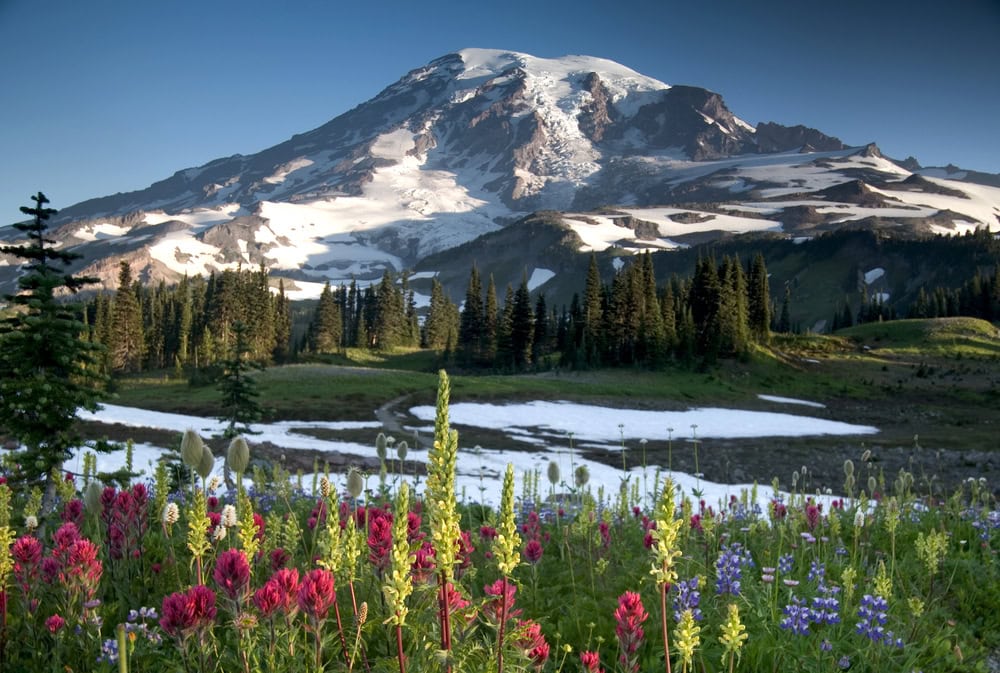
When locals say “the mountain is out,” we mean Mount Rainier.
Popular spots include:
- Paradise – subalpine meadows and impressive views.
- Longmire – a historic district with easy trails.
- Ohanapecosh – river and forest.
- Mowich Lake – lake.
- Sunrise – the highest point that you can drive to.
The park there is home to waterfalls, alpine lakes, glaciers, wildflower meadows, and forests. As with many of the western national parks, wildlife and plant life are abundant. Wildlife living here include black bear, coyote, cougar, raccoon, bobcat, mountain goat, elk, and numerous species of birds, insects, and invertebrates.
Active adventures at Mount Rainier range from short family-friendly walks to serious mountaineering and multi‑day backpacking on the Wonderland Trail. In recent years, timed‑entry and day‑use reservation systems have been implemented to manage access in busy corridors. , so it’s wise to check what’s required before you go in peak season.
Location: Ashford, Washington
Hours: While the park is open 24/7, man roads, facilities, and the four visitor centers are seasonal. Many facilities and roads within the park operate seasonally and close during the winter. Always check current road status and any reservation requirements before your trip.
Entrance fees: Current private vehicle fee is typically in the 30 USD range for a 7‑day pass; per‑person and motorcycle fees are slightly lower, and annual passes are available. Additional camping and climbing fees apply.
Best Time to Visit: July-early October, before snowfall.
Crowds: Late September-early October is a sweet spot offering fall color and fewer crowds. July and August are high season, especially around Paradise and Sunrise on weekends.
Tip: Go midweek, arrive at the gate before 7 am, and check for any timed‑entry or road restrictions before you leave home.
Official website here.
North Cascades National Park
Less than a three-hour drive from Seattle is the opportunity to explore one of the most beautiful alpine terrains in the US – the North Cascades National Park. While not as popular as some of the other national parks in Washington State, this is all to the park’s advantage; you get everything you could possibly want from a national park experience without sharing it with thousands of other visitors.
Often referred to as the North American Alps, you’ll find alpine lakes, jagged peaks, glaciers, waterfalls, wildflowers, and forested valleys. Wildlife spotting may include black bear, Canada lynx, cougar, deer, otter, gray wolves, and mountain goats.
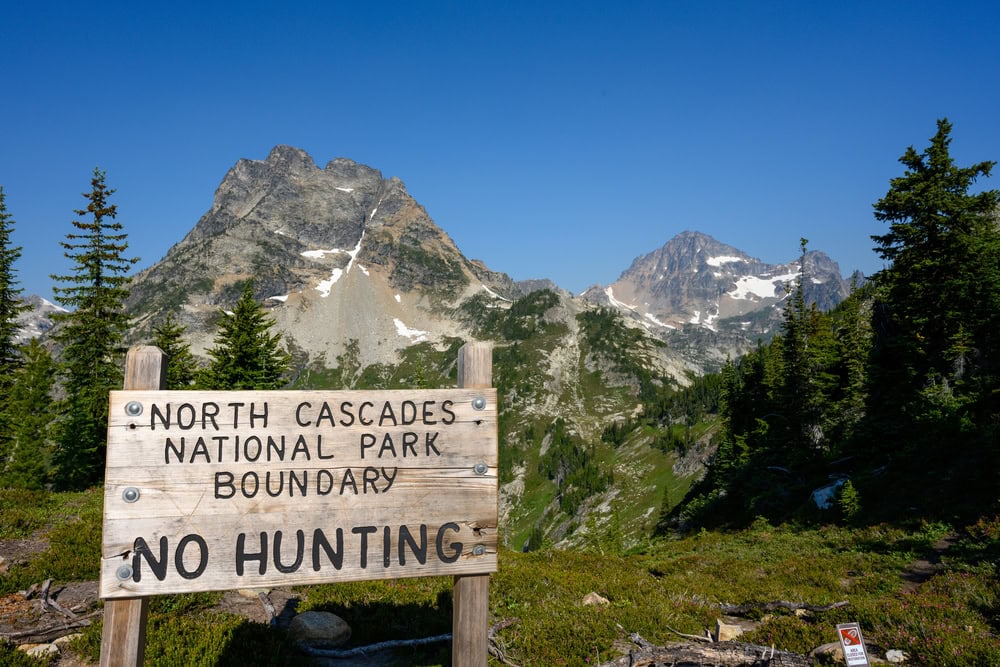
The park is particularly popular with climbers due to the variety of peaks here. Top climbing spots include Glacier Peak, Eldorado Peak, and the Wine Towers of Washington Pass.
If you are a first-time climber, you may prefer to ascend easier summits such as the Boston Glacier and Sahale Peak. The North Cascades also has some of the finest hiking trails in the state and were once travailed by three of the country’s best beat poets – Jack Kerouac, Philip Whalen, and Gary Snyder. The park also has snowfall all year round, making it a great destination for skiing and snowshoeing.
Location: 810 State Route 20, Sedro-Woolley, Washington
Hours: The National Park itself is open 24 hours a day. State Route 20 usually closes in winter between Ross Lake and the Methow Valley due to snow and avalanche danger.
Entrance fees: Free.
Best Time to Visit: July-September. Roads remain open (Highway 20) and trails are mostly without snow.
Crowds: Low to moderate; much quieter than Mount Rainer or Olympic National Par, even on weekends.
Tip: Start early and plan the day around one hike. Allow time for ever-changing weather conditions and stops at the scenic pullouts.
Official site here.
Olympic National Park
The United States’ fifth most visited national park, Olympic National Park is comprised of three very different ecosystems – lush rainforest, rugged coastline, and glaciated mountains. Despite being one of the most popular national parks in the country, its immense size means that you can usually find a quiet trail or beach area, if you’re willing to walk a bit further.
The locals have broken down the rainforest area into three parts – the Hoh, Queets, and Quinault – each offering different experiences for visitors. It’s like three parks in one, from the moss‑draped big‑leaf maples to roaring rivers and waterfalls. On the coast, places like Rialto, Second Beach, and Shi Shi feature sea stacks, tidepools, and are often at the center of Pacific storms. In the mountains, Hurricane Ridge and the High Divide give you sweeping views and summertime wildflowers.
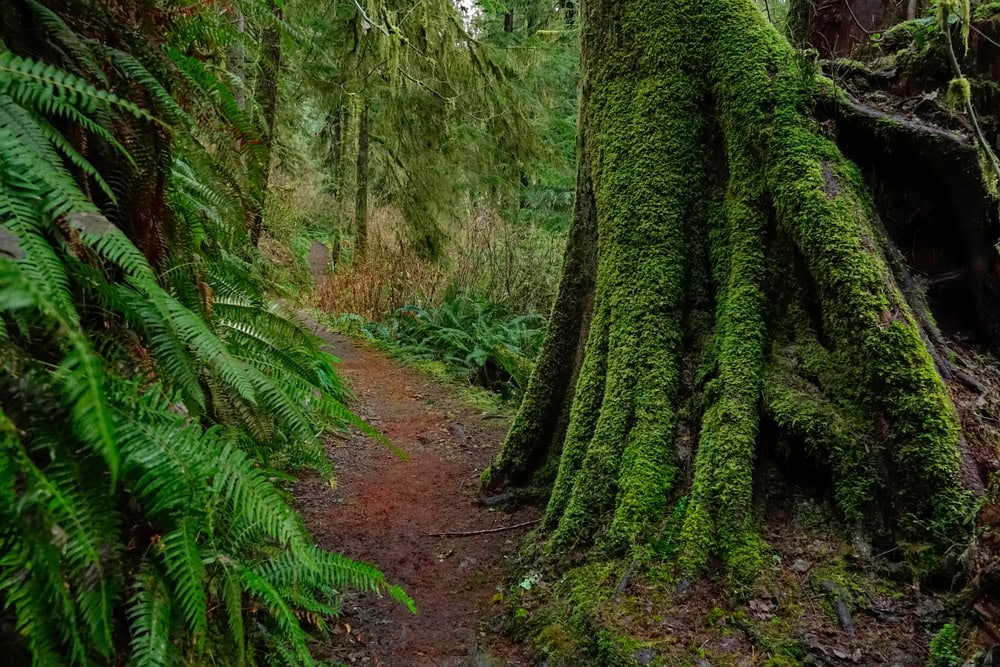
Because of the diverse ecosystems, the wildlife here is varied, perfect for those who wish to add wildlife spotting to their Washington State national parks itinerary. You can spot: black bears, Roosevelt elk, mountain goats, marmots, eagle, and a variety of birds. Heading toward the water, you can spot beaver, gray whales, humpbacks, orcas, seal, and otter.
When it comes to activities, much is on offer here. Popular activities include swimming or paddling at Lake Crescent, hiking, tidepooling, and scenice drives. During the winter, Hurricane Ridge offers downhill skiing and snowshoeing, as road conditions permit.
Location: Olympic National Park Visitor Centre, 3002 Mount Angeles Road, Port Angeles, Washington
Hours: The National Park itself is open 24 hours a day, but some campsites, facilities, and roads are closed seasonally. check current alerts and conditions. Always check current alerts and conditions.
Entrance fees: Current private‑vehicle fee is generally around 30 USD for a 7‑day pass, with per‑person and motorcycle options and annual passes available. Additional camping and wilderness permit fees apply.
Best Time to Visit: Late spring-early fall for hiking and wildlife spotting. July and August are the driest months.
Crowds: Moderately high in summer, especially at Hurricane Ridge, Lake Crescent, and popular beach spots.
Tip: Pick one “zone” per day (coast, rainforest, or mountains) to cut down on driving. Check for park alerts before starting off on a long loop.
Official website here.
San Juan Island National Historical Park
One of the last remaining native prairies in the Puget Sound region, San Juan Island is predominantly known as the place where the United States and England went to war over a pig shot by an American farmer. Known as the Pig War, no shots were fired and no blood was shed.
Today, visitors come for the landscape of the national historical park – the vistas, woodlands, and shoreline.
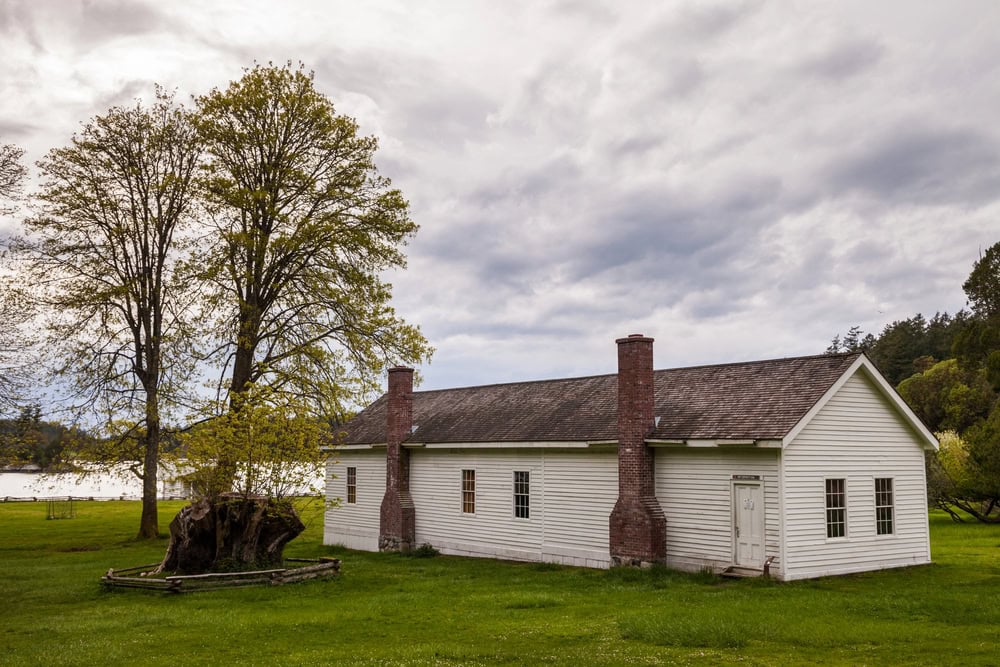
The park has two main sections: the American Camp on the island’s south end and the English Camp on the north. Both offer gentle trails, historic structures and gardens, and popular picnic spots. Shell collecting, boating, and kayaking are also popular activities.
Visitors also come for whale watching, as the Salish Sea is known as an orca habitat. In addition to orcas, other species of whales might be spotted (gray, humpback, minke), along with seals, porpoises, and otters. The best spotting time is between April and September.
The park is also a popular spot for birding and is home to diverse species. It’s not unusual to spot bald eagles soaring, swooping over the water, or perched on the trees and structures.
Location: Friday Harbor, Washington
Entrance fees: Free.
Best Time to Visit: April–September for wildflowers, long evenings, and better whale watching.
Crowds: Moderate on summer weekends, lighter in spring and fall.
Tip: Bring binoculars and plan to picnic at the American Camp. It’s a great spot for whale watching.
Official website here.
Whitman Mission National Historic Park
Named after Marcus and Narcissa Whitman, the Whitman Mission National Historic Site (fromerly a historic park) commemorates the memory of the role they played in the formation of the Oregon Trai and overland migration.
After a measles outbreak in 1847 decimated the Cayuse population, Dr. and Mrs. Whitman and others were killed, triggering the Cayuse War. This eventually led to the formation of the Oregon Territory.
We’d be remiss if we didn’t mention that the work of the Whitman’s among the Cayuse has been sanitized over the years. The Cayuse were resentful of the colonization and dispossession of their lands, and the introduction of disease to their people. The conflict was real, and while the indigineous point of view is starting to be told, it’s still the Whitmans who are honored as heroes.
No original buildings remain at the original mission site, but walking around the grounds is still an enjoyable way to spend an afternoon. You can visit the Great Grave (where the Whitmans and eleven others were buried in a mass grave), as well as the museum that compares and contrasts the lives of the Whitmans and the Cayuse. Artifacts and archaeological finds are on display.
If you become more interested in the Whitmans and this aspect of history, you may also be interested in following the Oregon National Historic Trail, part of which runs through Washington State. Over 2,000 miles of trail ruts and traces can still be seen to this day, representing the sacrifices and struggles of the early American settlers.
Location: 328 Whitman Mission Road, Walla Walla, Washington
Hours: Sunrise to sunset. Visitor center opening hours: Winter – Wednesday to Sunday 9 am – 4 pm; Summer – Every day 9 am – 4 pm.
Entrance fees: Free.
Best Time to Visit: Spring and fall have the mildest weather. Summers are hot, and winters are cold and snowy.
Crowds: Fairly moderate, with occasional school field trips.
Tip: Combine your visit with some Walla Walla wine tasting. There are over a hundred wineries and tasting rooms in the region.
Official website here.
Save to your favorite Pinterest boards