
Few drinks signal a leisurely brunch quite like a mimosa. Made with sparkling wine and orange juice, this simple cocktail has become a favorite at weekend breakfasts, celebrations, hotel brunches, and sunny afternoons on vacation.
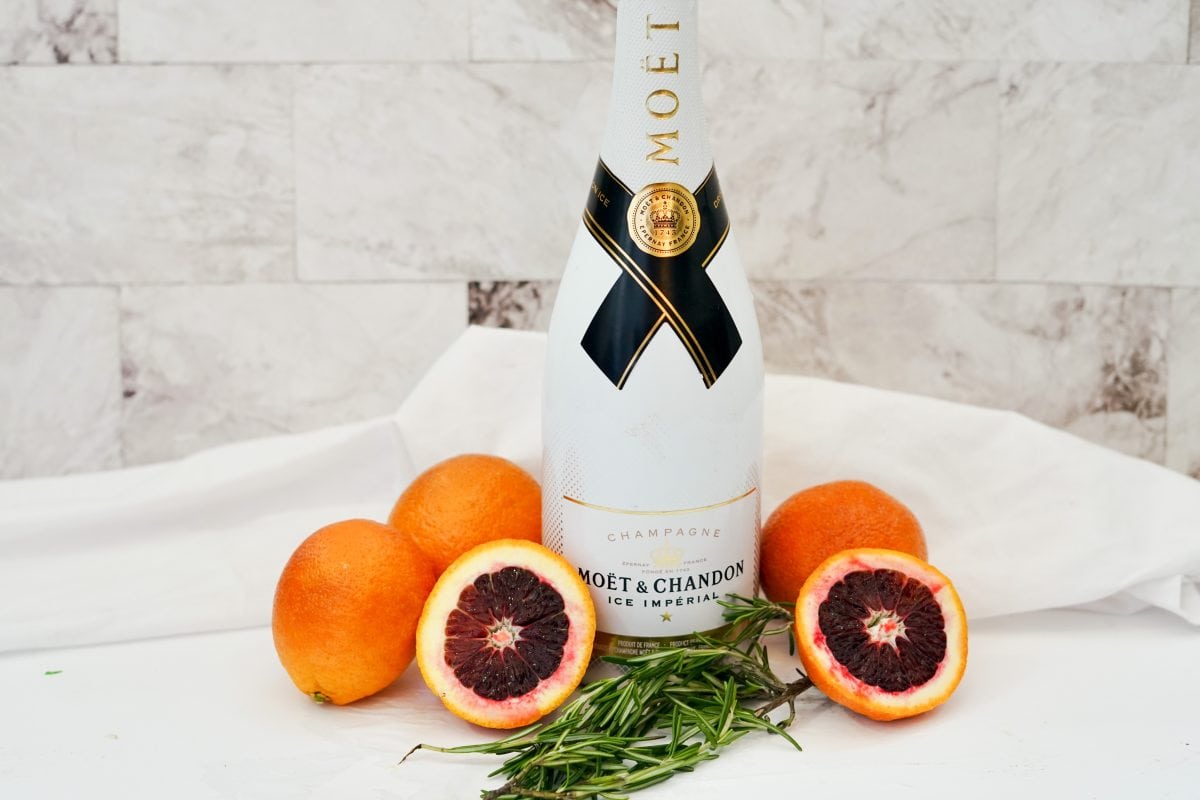
The classic mimosa is refreshing, but discovering a new version is part of the pleasure of exploring food and drink. I discovered blood oranges while traveling in Sicily, and enjoyed the mimosas made from them. It’s been a favorite ever since.
A blood orange mimosa replaces traditional orange juice with the ruby-colored juice of blood oranges. The result is equally festive in a champagne flute, but has a deeper color and a more dramatic look. And that’s the only kind of drama I want on my vacation.
A Brief History of the Mimosa
The exact history of the mimosa is widely debated, since similar combinations of sparkling wine and orange juice existed long before the cocktail became famous. However, the drink is widely credited to Frank Meier, a bartender at the Ritz Hotel in Paris, who is believed to have popularized the mimosa in 1925.
Meier later included a version of the cocktail in his 1936 book, The Artistry of Mixing Drinks. The drink’s golden color resembled the yellow flowers of the mimosa plant, giving the cocktail its name.
Another version of the drink’s history is that it was originally called Buck’s Fizz, the name coming from the London’s Buck Club, where it was first served by a barman Malachi “Pat” McGarry. The original recipe is said to contain additional secret ingredients, known only to the club’s bartenders.
Over time, the mimosa traveled well beyond Paris. The simple recipe made it easy to serve at home and in restaurants, while its association with elegant hotels and daytime celebrations helped establish it as a brunch staple. The mimosa and the buck’s fizz are now considered synonymous by the International Bartenders Association.
Over time, the mimosa traveled well beyond Paris. The simple recipe made it easy to serve at home and in restaurants, while its association with elegant hotels and daytime celebrations helped establish it as a brunch staple. The blood orange mimosa is a modern variation giving the drink Mediterranean vibes.
More About Blood Oranges
Blood oranges are citrus fruits with flesh ranging from pink and coral to deep red or purple. The color comes from anthocyanins, natural pigments found in other foods such as blueberries and cranberries. While blood oranges may look similar to regular oranges, the taste is different. I think they are more sweeter, with less pucker-power acidity. There’s also a distinct berry-like flavor. Describing blood orange flavors is almost as nuanced as describing a glass of wine.
Where Blood Oranges Grow
Blood oranges are most closely associated with the Mediterranean, particularly Sicily and southern Italy. They have been cultivated in Sicily for centuries, and that’s where I first discovered them. They are also widely grown in Spain and other Mediterranean countries.
They’ve spread beyond the Mediterranean, though, and are now grown in the U.S., most notably California and Florida, where other citrus crops are widely grown. Some agriculture production has also cropped up in Texas and Arizona.
The three varieties you are most likely to encounter are Moro, Tarocco, and Sanguinello. Moro oranges are usually the darkest red, Tarocco oranges are typically known for a delicate flavor, and Sanguinello oranges are associated with Spain and Sicily. Color and sweetness can vary based on the variety of orange and growing conditions. I like to think of it as blood orange terroir.
Where to Buy Blood Oranges
I discovered blood oranges while traveling in Sicily, and then wanted to find and enjoy them at home. At the time, it wasn’t so easy. Now, though, I often see them in upscale supermarkets in my area, most typically during the winter and early spring (December-April).
Check stores during the height of citrus season rather. Availability will vary from week to week, but don’t expect to find them year-round. Some grocery stores list the variety on the produce sign, while others simply label them generically as blood oranges.
Can’t find them or have questions? Make the produce manager your friend.
If you cannot find them locally, specialty produce companies, online fruit retailers, and even Amazon will ship seasonally.
For a blood orange mimosa, fresh fruit is ideal, of course. But if you’re jonesing for blood oranges, and they aren’t available, bottled blood orange juice can be a practical substitute.
How to Select the Best Blood Oranges
You’ve found them at your local store, congratulation. Now make sure you get the best tasting ones.
Choosing a good blood orange is similar to selecting other citrus fruits. Remember, the peel does not always tell you exactly what you will find inside. Some fruits have orange-colored skin and vivid red flesh, while others have a noticeable red blush but only a light color inside.
For the juiciest fruit, perfect for a blood orange mimosa, look for fruit that:
- Feel heavy for their size, which usually indicates a higher water content.
- Have smooth, firm skin without soft spots, deep bruises, or mold.
- Feel slightly springy but not mushy.
- Look plump rather than shriveled or overly wrinkled.
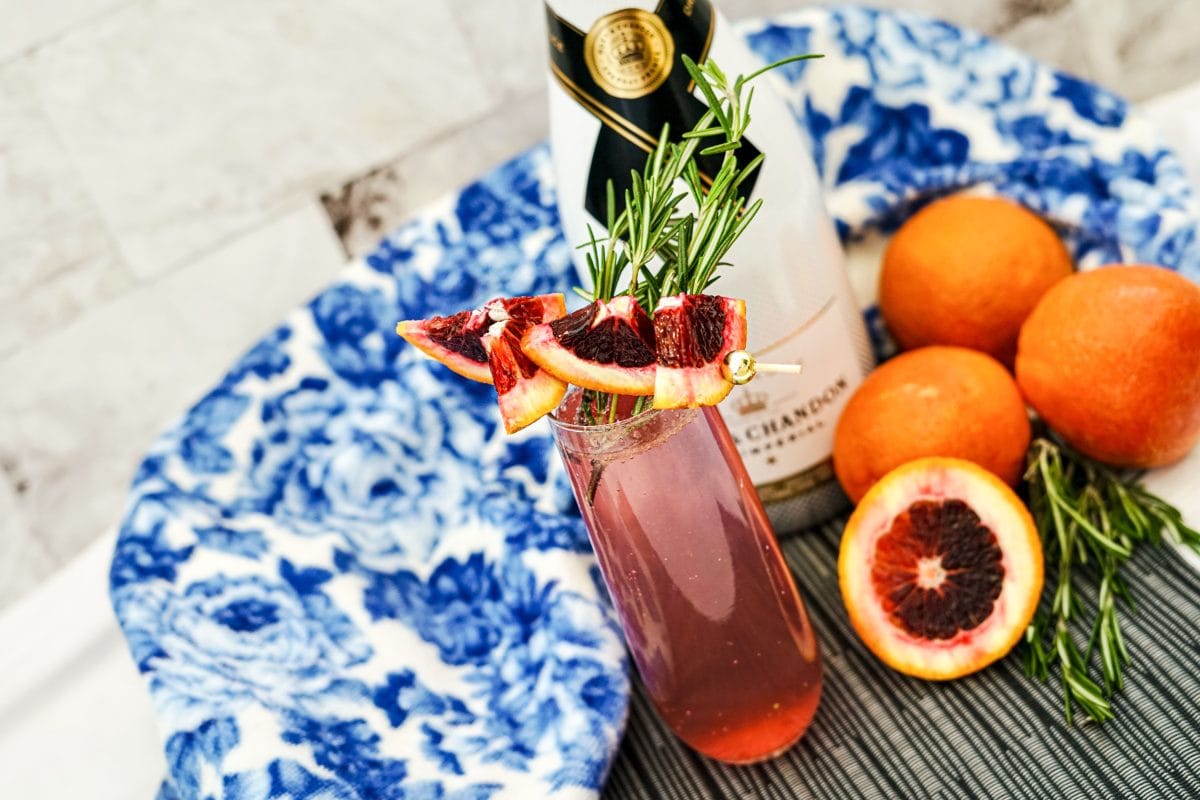
Tip: If you are buying blood oranges specifically for mimosas, choose several fruits rather than relying on the peel color of just one. Since the interior colors can vary, and a mixture will make a delicious juice that’s equally tasty and attractive.
Store whole blood oranges on the counter if you plan to use them within several days, or keep them in the refrigerator to extend their freshness. Use them before the peel becomes loose and heavily wrinkled.
Freshly squeezed juice can be refrigerated in a sealed container for a few days, although it will taste brightest right after juicing. I’ve used this hand-held citrus juice for several years now, and have found it to be the best at getting every last bit of juice out of fruit.
I like these glass juice bottles for storing juice – the measurements of the side are handy indications of how much I have. They have a wide mouth, so I can squeeze directly into the bottle, are BPA free, airtight, and dishwasher safe.
If you want to be extra-fancy, slice up some blood oranges for cocktail garnish. I use a dehydrator to dry all sorts of fruit (I have a much older version of this one that I’ve used for years), then vacuum pack it (I use this), and store in the pantry. Depending on the fruit and how it is stored, dehydrated fruit can last years (check specifics for the fruit you use and your storage conditions).
Blood Orange Mimosas As a Tasty Alternative
Why choose blood oranges over regular ones for your mimosa? Here are a few reasons.
Vibrant Ruby-Red Color
The most immediate difference between a classic mimosa and a blood orange mimosa is visual. Regular orange juice creates a pale golden drink, while blood orange juice can turn a glass coral, rose, ruby, or deep crimson.
That jewel-like color is especially appealing for festive brunches, winter celebrations, Valentine’s Day gatherings, and travel-inspired meals. A thin blood orange wheel, a twist of peel, or a sprig of rosemary can make you feel like you’re back in the Mediterranean.
Layers of Citrus Flavor
Blood oranges still deliver the bright citrus character associated with regular oranges, but their flavor is more complex. Depending on the variety and ripeness, the juice may taste slightly sweeter, softer, and less sharply acidic, with berry-like notes that add depth.
That balance works beautifully with dry sparkling wine. The wine’s bubbles and acidity keep the juice from tasting heavy, while the fruit’s natural sweetness rounds out the drink. The result is a refreshing cocktail that feels familiar but has a more interesting finish than a standard orange juice mimosa.
Make Your Own Variation
A blood orange mimosa is also a flexible starting point for experimentation. You can pair the juice with Champagne, Prosecco, Cava, or another dry sparkling wine, depending on the style and budget you prefer. All provide a slightly different taste. Experiment with all to find your favorite.
For a more aromatic drink, blood orange juice can be combined with a small amount of ginger liqueur, orange liqueur, or another complementary spirit. A ginger blood orange mimosa, for example, brings gentle spice to the citrus and sparkling wine. For a mocktail version, substitute ginger beer for the sparkling wine; it’s delicious.
For a touch of sweetness, a splash of elderflower liqueur or a simple syrup infused with vanilla bean provides an elevated flavor.
Fresh herbs such as rosemary, thyme, or mint can provide another layer of fragrance. Rosemary is a popular option right now, but since I’m not a rosemary fan, I prefer mint. It looks pretty in the glass and imparts just a hint of minty fragrance and flavor.
Try a splash pomegranate juice or a splash of sparkling rose for a change of color and taste.
Celebration of Winter and Early Spring
Blood oranges are a seasonal treat, with availability in the United States commonly running from December through April, although the exact window varies by region and variety. That makes blood orange mimosas an ideal way to brighten the colder months, when many other fresh fruits are less available.
Those are some of the dreariest days where I live, so I look for anything to brighten up the mood. It’s an easy choice for a holiday breakfast, a spring get together with friends, or when I need a reminder of warm travel memories. While it’s not the same as sitting in Sicily, it’s the closest thing I can get most days.
Recipe for Blood Orange Mimosa
Easy to make and impressive in the glass – save this recipe for a blood orange mimosa and give it a try.
Blood Orange Mimosa
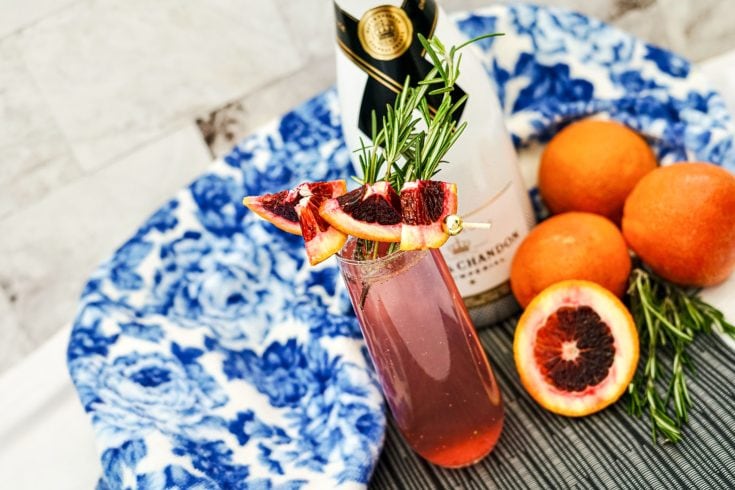
A blood orange mimosa replaces traditional orange juice with the ruby-colored juice of blood oranges. The easy-to-make result is festive and delicious.
Ingredients
- Champagne (or other dry sparkling wine of your choice)
- Blood oranges
- Rosemary or mint springs for garnish
Instructions
- Squeeze juice of one half blood orange into a champagne flute (about 2 ounces)
- Top off with champagne (about 3 ounces)
- Garnish with fresh rosemary or mint sprig, and a blood orange slice